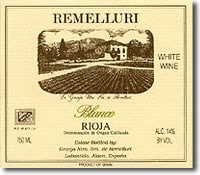
It’s hard not to be jealous sometimes of the old world wine producers. While new world winemakers, and those pioneering winegrowing in new regions of the world have to make their own stories as they go, winemakers from the old world have plots of land that speak volumes already.
Who needs marketing when you’ve got 10th century grape crushing equipment carved from stone by Hieronymite monks on your property? You could work on branding, but why do that when you’ve got seven centuries of grape growing history you can point to?
The Remelluri estate is blessed with such history. The estate is practically an archeological site, built as it is on the foundations of a tenth century town, and boasting an on site medieval necropolis and artifacts dating back through Roman times to the Bronze age. But perhaps more importantly, it has been the locus of wine production for centuries. The earliest written records available speak of winemaking here in the mid 16th century. Essentially the estate was owned by the church between the 15th and 19th centuries until it was divided up into agricultural parcels by the regional authorities and fell into disuse, though the vines remained.
The modern history of Remelluri begins with the purchase of the estate by businessman Jaime Rodriguez Salis in 1968. Salis immediately embarked on renovations that included replanting the vineyards, refurbishing old buildings, building a new bodega and wine cellar and preserving much of the archeological history of the estate. The estate released its first vintage in 1971.
Remelluri continues to be owned by the Salis family, and Salis’ son Telmo Rodriguez, who is now one of Spain’s best known winemakers, learned and first practiced his craft here. He has since moved on to work on his own projects, but Remelluri still continues to make wine in the slow, steady way it has for decades under the guidance of Ana Barrón.
The Remelluri estate owns approximately 275 acres of vineyards at an elevation of approximately 800 meters above sea level, making them quite possibly the highest in the Rioja appellation. The soils in the vineyards are a mix of limestone chalk and stony clay that essentially turn to cement with a little alternating water and sun, forcing the vines to work extremely hard to get their roots to moisture. This stress combined with the estate’s farming practice keeps yields to less than 2 tons of fruit per acre. The estate harvests its grapes in distinct vineyard blocks that are then vinified and aged separately, with the final blending coming just before bottling.
This wine is a dizzying blend of Viognier, Moscatel, Grenache Blanc, Marsanne, Roussanne, Chardonnay and Sauvignon Blanc from estate vineyards. Each lot is fermented separately in old oak casks before being aged for 14 months on their lees before final blending and bottling.
Tasting Notes:
Light gold in the glass, this wine has an alluring nose of mineral and white stone fruit aromas with hints of floral qualities. In the mouth it offers gorgeous bouncy acidity and silky texture on which is floated a mysterious mix of layered and complex smoky, piney, and nutty flavors that are carried along by an underlying minerality that is positively granitic in quality. There is also fruit in this wine, delicate and elusive flavors of pear and lychee that appear and disappear as the wine moves across the palate towards a gorgeous, memorable finish. This is a very compelling wine that seems likely to age forever, though it would be difficult to avoid selfishly drinking it now.
Food Pairing:
I’d love to drink this wine with something simple, like this polenta with chorizo and queso fresco.
Overall Score: 9.5
How Much?: $40
This wine is available for purchase on the internet.


