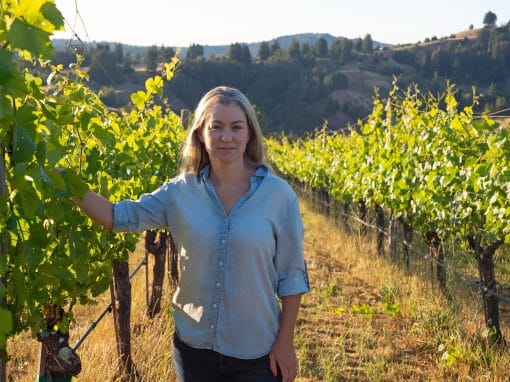
The wine world is full of organizations and associations, spanning a wide range of missions, purposes, and themes. Only a few, however, are focused on saving the planet. One of those, International Wineries for Climate Action, came to Napa earlier in the year to offer a tasting they billed as the largest tasting of low-emission wines ever held in Napa.
I didn’t know much about the IWCA before the tasting. I had read headlines and an occasional article about the group, but was vague on the details. After this tasting and a deep dive into what they’re doing, I consider them one of the most impressive wine organizations on the planet.
Founded by Familia Torres and Jackson Family Wines in 2019, the organization was launched to create a community of wineries dedicated to reducing greenhouse gas emissions in the wine lifecycle towards a goal of complete carbon neutrality. The idea being that in collaboration and with shared purpose, wineries can do more, faster, than if they each go at it alone.
That sounds like a pretty good idea, right? But once you have the idea, you very quickly become faced with the question of how the heck to do that effectively and efficiently, and more specifically, you have to figure out what to focus on first.
And that is a lot harder than it sounds.
In order to know where to focus, you need to know where you stand, which involves something called carbon accounting. Basically, you need to measure and/or calculate your carbon footprint as a wine business across the entirety of the wine lifecycle: planting, farming, winemaking, packaging, marketing, sales, hospitality, waste, business operations, and energy use, to name just a few of the areas that make up your average winery’s carbon footprint. Within each of those areas there are dozens and dozens of factors that have an emissions impact.
That’s why the Torres and Jackson families began their work by creating a set of comprehensive carbon emission calculators for the wine industry, which they make available for free on the IWCA.Org website for anyone to use. You know the old business adage: you can’t manage what you can’t measure? That’s the idea here.
To even apply to be a member of the IWCA, you must have done the calculations to measure your internal, direct greenhouse gas emissions and energy usage, and you must have a plan to measure your external emissions footprint (e.g. everything purchased outside and brought into the winery) and get the measurements audited by a third party.
Accepted members have a year to reach Silver status, at which they commit to reaching Net-Zero carbon footprint by 2050, intermediate targets by 2030, and have begun to follow the international emissions reduction protocols that the group has adopted. Those members who achieve 20% renewable self-generation of energy and measurable ongoing emissions reductions per liter of wine produced annually can graduate to Gold membership, which 18 of the 49 members have now done.
“We’re very proud of the fact that since our founding a little more than six years ago we’ve grown to more than 49 companies, which encompass 175 wineries across 14 countries,” says Katie Jackson of Jackson Family Wines. “The group accounts for about 3.5% of total global wine emissions. When we started, Miguel’s [Torres] goal was really to get to that 5%. Once we’re at 50 members plus, we really start to make an impact.”
Crucially, the emissions reduction protocols adopted by the group involve no carbon offsets whatsoever, which are problematic for various reasons.
“What sets us apart from many climate-focused organizations in the wine business is that our members are being asked to make reductions themselves, to take actions that make real, meaningful change,” says Jackson.
That change takes place in a multitude of obvious and non-obvious ways. The obvious things involve making fewer tractor passes in the vineyard, using lighter-weight glass bottles, and managing CO2 usage in the winemaking process. Non-obvious things involve things so obscure that many people might not even consider them, such as the carbon footprint of throwing away the thousands of pounds of backing release film that all bottle labels are spooled onto.
Several of the Sonoma and Napa winery members have joined the North Bay Zero Waste Collective, an organization that, among other things, allows them to pool their waste products to achieve economies of scale that allow for re-use and recycling of materials such as the ubiquitous stretch film that surrounds anything shipped on a pallet.
“We all have pallets coming in with stretch film, and we’re all sending out pallets with stretch film. So what do we do with this?” says Brooke Shenk, Winemaker at St. Supery Vineyards. “We came up with a reuse process for large amounts of stretch film and have partnered with a company that bought it all and turned it back into stretch film.”
This local North Bay group has diverted 244,000 pounds of materials from ending up in a landfill over the last couple of years.
This is precisely the power of collective action that the IWCA was founded to both inspire and achieve, and the results are impressive.
The accomplishments of the current 49 members of the IWCA are impressive. A to Z Wineworks in Oregon reduced their water usage 33% from one year to the next, saving 8 metric tons of CO2 emissions. Château Tour des Termes built the first LEED-Certified wine cellar in France. Château Troplong Mondot has figured out how to use its vine pruning waste to heat its buildings in the winter, saving an incredible amount of emissions every year. Familia Torres is up to 55% self-generated electricity and achieved a 38% reduction in their bottle weights. St. Supery Vineyards is 80% solar powered and has reduced water usage by 56% over 8 years. Symington Family Estates has reduced their glass-related carbon footprint from 30% of total emissions to 24% of emissions over 5 years. Viñas Familia Gil has achieved true zero-waste status as a winery. Henschke has reduced their emissions intensity by 37% since 2022.
It’s a shame that there aren’t more wineries involved. Granted, the effort required to even just do the calculations required for membership application is no small feat. Such efforts might be inconceivable for small family wineries. But there are plenty of mid-sized wineries with the staff and resources to do these kinds of audits. And frankly, it’s the larger players in the industry (with the corresponding largest emissions) that can make the most impact in greenhouse gas reduction.
Irrespective of the high bar for membership, IWCA has created a set of tools and resources that can allow any winery interested in understanding and making positive progress on their carbon footprint to do so.
There’s no excuse for any winery not to get started.
Tasting Notes
These wines are all made by IWCA member wineries and are arranged in descending order of score. You can purchase these wines knowing that you are supporting a company that has made meaningful, measurable progress towards saving the planet. If that doesn’t taste good, I don’t know what does.
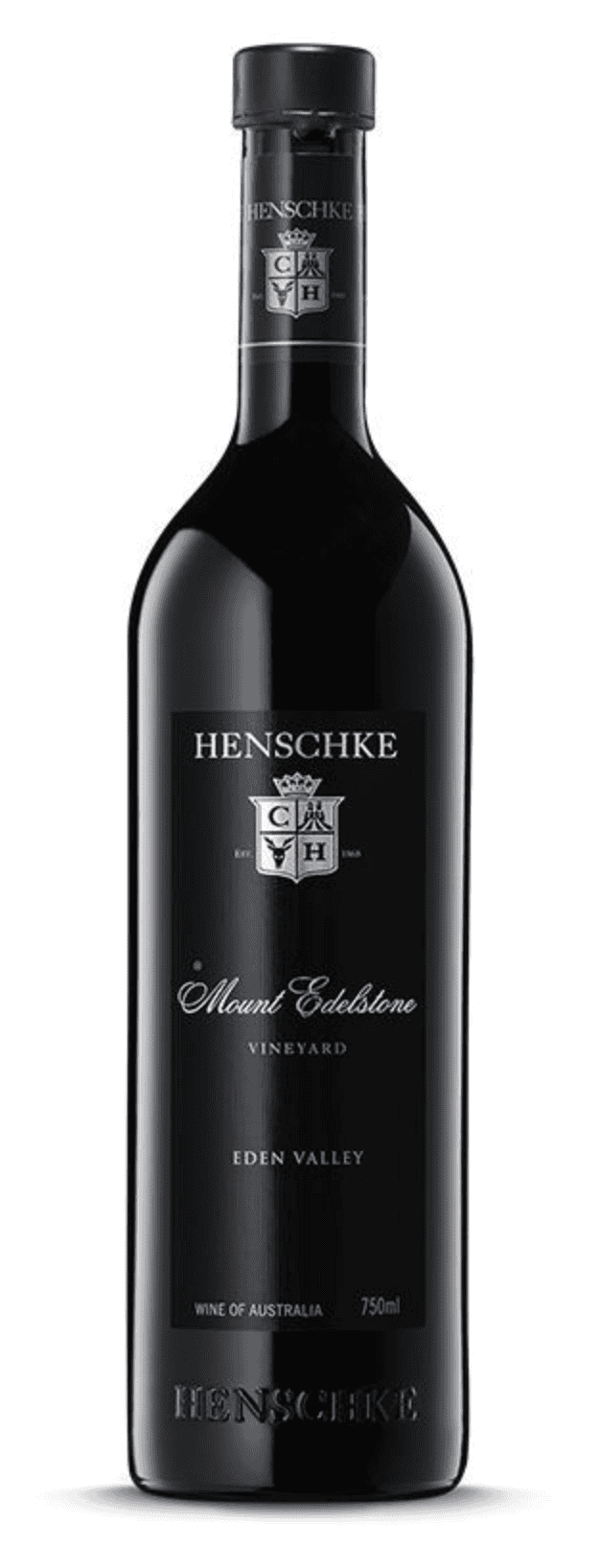
2021 Henschke “Mount Edelstone” Shiraz, Eden Valley, South Australia, Australia
Very dark garnet in the glass, this wine smells of crushed rocks, struck match, and black olives. In the mouth, black cherry and black olive flavors have supple, fine tannins and great acidity. Long, incredibly smooth, and balanced. A stunner of a wine. 14.5% alcohol. Score: around 9.5. Cost: $290. click to buy.
2022 Spottswoode Cabernet Sauvignon, Napa Valley, Napa, California
Dark garnet in the glass, this wine smells of black cherry, blackcurrant, flowers, and a hint of espresso. In the mouth, black cherries, espresso, flowers, and blackberry flavors have supple, fleecy tannins, great acidity, and a very long finish with a hint of sweet oak. Beautiful. 13.7% alcohol. Score: around 9.5. Cost: $280. click to buy.
2021 Opus One Bordeaux Blend, Napa Valley, Napa, California
Very dark garnet in the glass, this wine smells of black cherry, flowers, and graphite. In the mouth, muscular, fine tannins squeeze black cherry, green herbs, and graphite, with a hint of espresso. Refined. 14% alcohol. Score: between 9 and 9.5. Cost: $452. click to buy.
2023 Ridge Vineyards “Lytton Springs” Red Blend, Dry Creek Valley, Sonoma, California
Dark garnet in the glass, this wine smells of blackberries, blueberries, herbs, and plums. In the mouth, muscular tannins surround flavors of blackberries, blueberries, herbs, and dried plums. Long and fine-grained tannins are matched with great acidity. Lovely. 14.4% alcohol. Score: between 9 and 9.5. Cost: $54. click to buy.
2021 Silver Oak Cabernet Sauvignon, Alexander Valley, Sonoma, California
Dark garnet in the glass, this wine smells of black cherry, coconut, and dried herbs. In the mouth, black cherry and dried herb flavors are wrapped in tight, fleecy tannins. Good acidity, nice length, supple, and smooth. 14.6% alcohol. Score: around 9. Cost: $78. click to buy.
2019 Château Troplong Mondot Bordeaux Blend, Saint-Émilion, Bordeaux, France
Dark garnet in the glass, this wine smells of graphite, truffle, and blackcurrants. In the mouth, juicy blackcurrant and blackcurrant leaf flavors mix with green herbs. Fine tannins, great acidity, and nice length. A blend of 85% Merlot, 13% Cabernet Sauvignon, and 2% Cabernet Franc. Little sensory trace of its 15% alcohol. Score: around 9. Cost: $125. click to buy.
2021 Frog’s Leap Winery Cabernet Sauvignon, Rutherford, Napa, California
Very dark garnet in the glass, this wine smells of cherries, earth, and graphite. In the mouth, black cherry flavors and a hint of blackcurrant are wrapped in fleecy tannins. Very good acidity and nice weight. Contains 9% Cabernet Franc. 14% alcohol. Score: around 9. Cost: $70. click to buy.
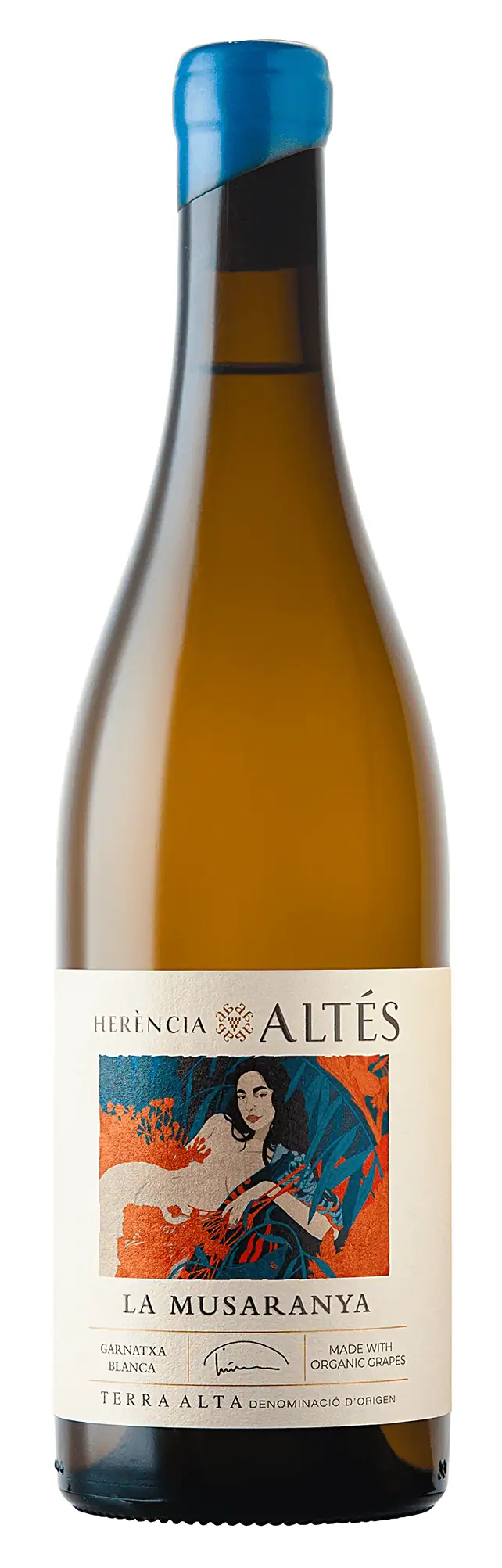
2024 Herència Altés “La Musaranya” Garnatxa Blanca, Terra Alta, Catalonia, Spain
Pale gold in the glass, this wine smells of apples, pears, and vanilla. In the mouth, crisp green apple, Asian pear, and melon flavors have very good acidity and a long, chalky finish. Very pretty. 12.5% alcohol. Score: around 9. Cost: $26. click to buy.
2023 Domaine Lafage “Moutou” Red Blend, Côtes Catalanes, Roussillon, France
Medium garnet in the glass, this wine smells of floral strawberries and forest berries. In the mouth, juicy strawberry and boysenberry flavors are wrapped in fleecy tannins, with excellent acidity, and a long finish. 13.5% alcohol. Score: around 9. Cost: $40. click to buy.
2022 La Jota Vineyard Co. “W.S. Keyes Vineyard” Chardonnay, Howell Mountain, Napa, California
Pale gold in the glass, this wine smells of lemon curd, roasted nuts, and struck match. In the mouth, saline lemon curd flavors are lean, juicy, stony, and tight. 13.5% alcohol. Score: around 9. Cost: $147. click to buy.
2022 Kir-Yianni “Cuvée Villages” Xinomavro, Naoussa, Macedonia, Greece
Light to medium ruby in the glass, this wine smells of berries, including cranberries, and herbs. In the mouth, cranberry, sour cherry, and unripe blackberry flavors are wrapped in tight, muscular tannins. Great acidity. 14% alcohol. Score: between 8.5 and 9. Cost: $19. click to buy.
2021 Ramón Bilbao “Edición Limitada” Garnacha, Rioja, Spain
Medium ruby in the glass with garnet highlights, this wine smells of strawberries, chopped herbs, and earth. In the mouth, strawberry and earth flavors have lightly grippy tannins and excellent acidity. A hint of orange peel lingers on the finish. 14% alcohol. Score: between 8.5 and 9. Cost: $20. click to buy.
2023 Neleman Wines “Casas del Rey – Robusta” Bobal, Utiel-Requena, Valencia, Spain
Dark garnet in the glass, this wine smells of struck match, black cherry, and earth. In the mouth, black cherry and earth flavors have tight, fleecy tannins and good acidity. Dark in character. 14% alcohol. Score: between 8.5 and 9. Cost: $20.
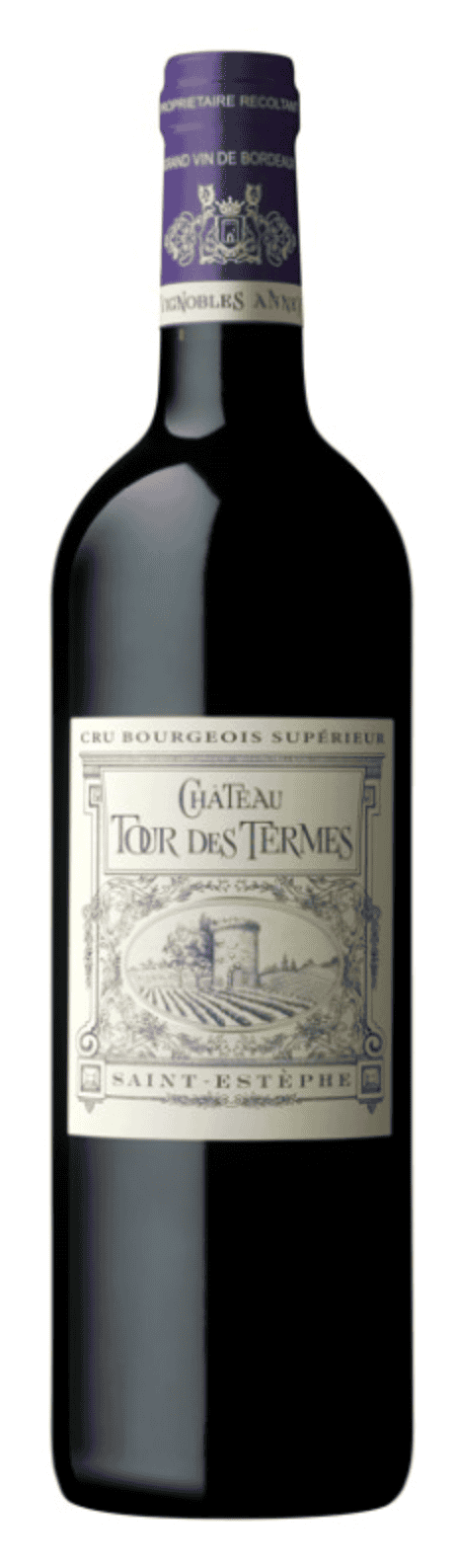
2020 Château Tour des Termes Bordeaux Blend, Saint-Estèphe, Bordeaux, France
Dark garnet in the glass, this wine smells of cassis and graphite with a hint of cigar box. In the mouth, lean flavors of cigar box and blackcurrant have fine tannins, a supple texture, and very good acidity. Savory. A blend of 50% Merlot, 40% Cabernet Sauvignon, 5% Cabernet Franc, and 5% Petit Verdot. 13.5% alcohol. Score: between 8.5 and 9. Cost: $40. click to buy.
2020 Familia Torres “Mas La Plana” Cabernet Sauvignon, Penedès, Catalonia, Spain
Medium to dark garnet in the glass, this wine smells of dried herbs and dark berries. In the mouth, cherry and berry fruit flavors mix with orange peel, framed by tight, fine-grained tannins and great acidity. 14.5% alcohol. Score: between 8.5 and 9. Cost: $105. click to buy.
2017 CVNE “Viña Real Gran Reserva Especial” Rioja, Spain
Dark garnet in the glass, this wine smells of cherries, sawdust, and dried herbs. In the mouth, tight tannins surround flavors of cherry, orange peel, earth, and leather. Sawdust notes and very good acidity linger in the finish. A blend of 95% Tempranillo and 5% Graciano. 13.5% alcohol. Score: between 8.5 and 9. Cost: $67. click to buy.
2023 Quinta de Azevedo Loureiro, Douro, Portugal
Pale gold in the glass, this wine smells of lemon pith and pears layered over wet chalkboard. In the mouth, wet pavement, yellow herbs, and lemon pith flavors are crisp and bright with very good acidity. 12% alcohol. Score: between 8.5 and 9. Cost: $15. click to buy.
2022 A to Z Wineworks Pinot Noir, Oregon
Light to medium garnet in the glass, this wine smells of oak, cherry, and cranberries. In the mouth, cherries, cranberries, oak, and dried herb flavors are dominated by wood, with a hint of struck match. Decent acidity. 13.5% alcohol. Score: around 8.5. Cost: $22. click to buy.
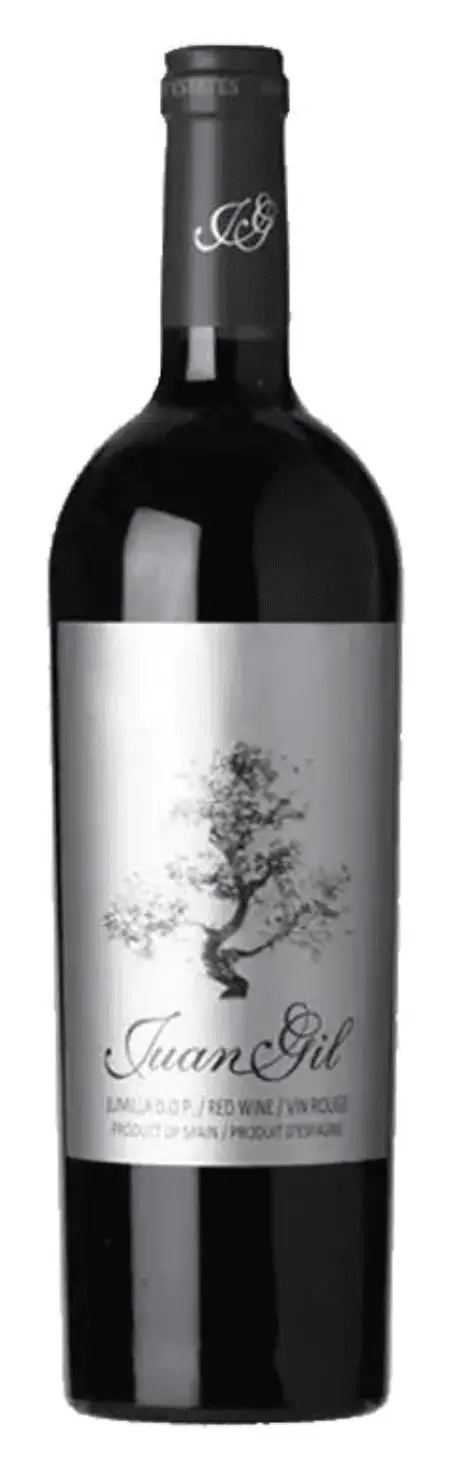
2022 Juan Gil “Silver Label” Monastrell, Jumilla, Murcia, Spain
Medium to dark garnet in the glass, this wine smells of black cherries, blueberries, and herbs. In the mouth, black cherry, floral, and blueberry flavors have great acidity and tight tannins. 14.5% alcohol. Score: around 8.5. Cost: $15. click to buy.
2023 Pine Ridge Vineyards “Traveler’s” Cabernet Sauvignon, California
Dark garnet in the glass, this wine smells of struck match, black cherries, and sweet oak. In the mouth, mocha, sweet oak, and black cherry flavors lead to vanilla and espresso on the finish. Decent acidity. A bit high octane. 15.5% alcohol. Score: around 8.5. Cost: $34. click to buy.
2019 Cakebread Cellars Cabernet Sauvignon, Napa Valley, Napa, California
Very dark garnet in the glass, this wine smells of blackberries, cassis, earth, and graphite. In the mouth, smooth black cherry flavors are wrapped in supple tannins with decent acidity. Oak-driven.14.8% alcohol. Score: around 8.5. Cost: $84. click to buy.
2024 Yealands Estate “Single Block” Sauvignon Blanc, Awatere Valley, Marlborough, New Zealand
Pale gold in the glass, this wine smells of passionfruit and gooseberries. In the mouth, gooseberry, green apple, and cut grass flavors have bright acidity. Zingy and lean. 13% alcohol. Score: around 8.5. Cost: $23. click to buy.
2023 Domaine Bousquet “Virgen” Malbec, Tupungato, Uco Valley, Mendoza, Argentina
Dark garnet in the glass, this wine smells of cherries, oak, and earth. In the mouth, a narrow core of cherry mixes with sawdust, earth, and licorice, framed by fine, tight tannins. Feels somewhat compressed. 14% alcohol. Score: between 8 and 8.5. Cost: $13. click to buy.
2022 Viña San Pedro “Tayu 1865” Pinot Noir, Malleco Valley, Chile
Medium garnet in the glass, this wine smells of raspberries, cranberries, and herbs. In the mouth, cranberries, herbs, and orange peel flavors have tight, fine tannins and good acidity. 13.5% alcohol. Score: between 8 and 8.5. Cost: $28. click to buy.
2023 St. Supéry “Napa Valley Estate” Cabernet Sauvignon, Napa Valley, Napa, California
Dark garnet in the glass, this wine smells of mocha and black cherry. In the mouth, drying, fleecy tannins frame cherry and dried herb flavors, while sweet oak competes for attention. Good acidity, but the overall effect feels overdone. 14.5% alcohol. Score: between 8 and 8.5. Cost: $65. click to buy.
NV Graham’s “Six Grapes” Reserve Port, Douro, Portugal
Very dark garnet in the glass, this wine smells of raisins, chocolate, and stewed black cherries. In the mouth, fleecy tannins wrap around sweet stewed black cherry, licorice, and blueberry flavors. Decent acidity. A blend of Touriga Franca, Touriga Nacional, Tinta Roriz, and Tinta Barroca. 19.5% alcohol. Score: between 8 and 8.5. Cost: $27. click to buy.
2019 Miguel Torres “VIGNO” Carignan, Maule, Chile
Medium to dark garnet in the glass, this wine smells of floral boysenberry aromas. In the mouth, struck match, boysenberry, and blueberry flavors are juicy but very high-toned, leaving the wine feeling a little hollow. Very good acidity. 14% alcohol. Score: between 8 and 8.5. Cost: $23. click to buy.
2021 Tikveš “Barovo Vineyard” Red Blend, North Macedonia, Republic of Macedonia
Very dark garnet in the glass, this wine smells of grapey black cherry and struck match. In the mouth, thick, fleecy tannins wrap around rich, ripe black and blue fruit flavors. Blocky, with not enough acidity. A blend of 65% Kratosija and 35% Vranec. 15.5% alcohol. Score: around 8. Cost: $41. click to buy.
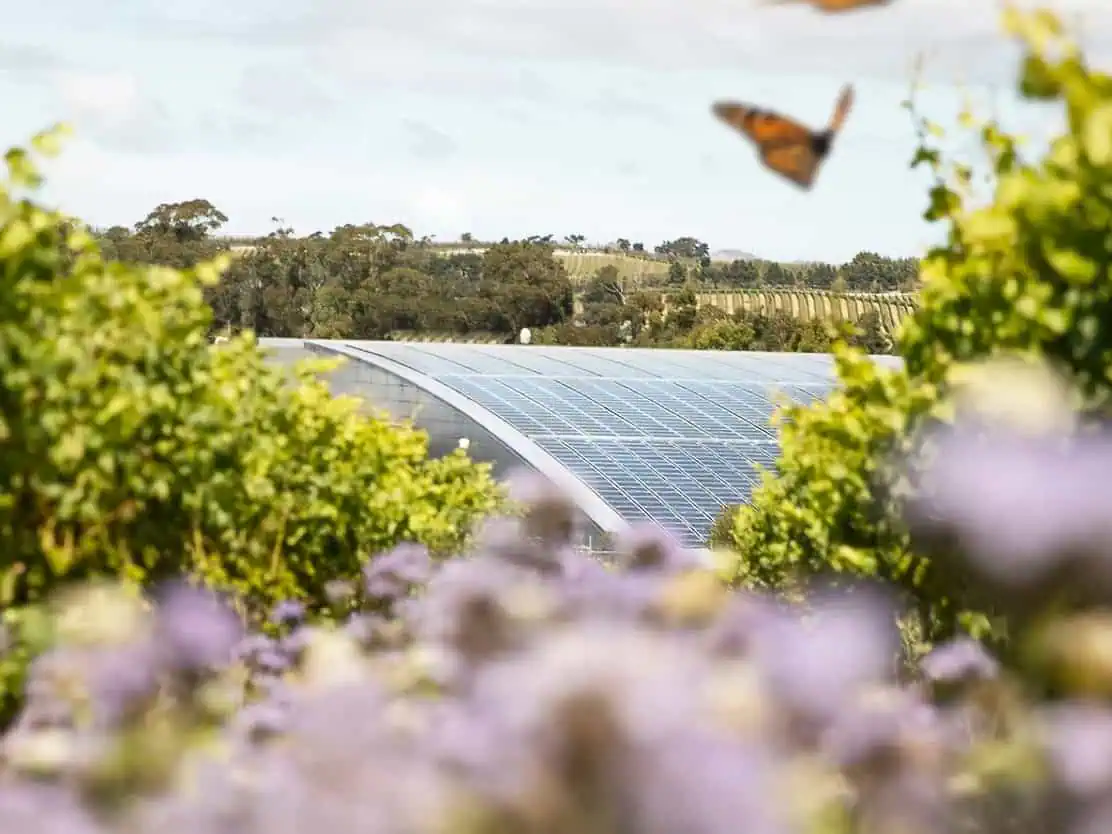
Photo at top of Yealands Winery and its solar array courtesy of International Wineries for Climate Action.