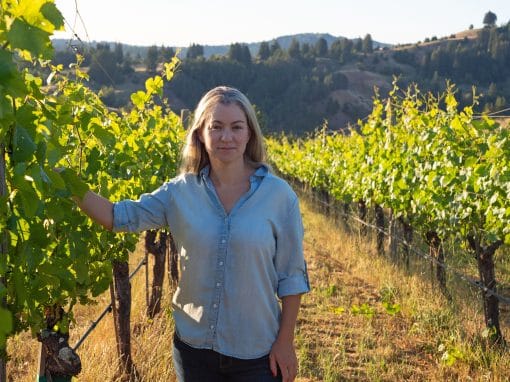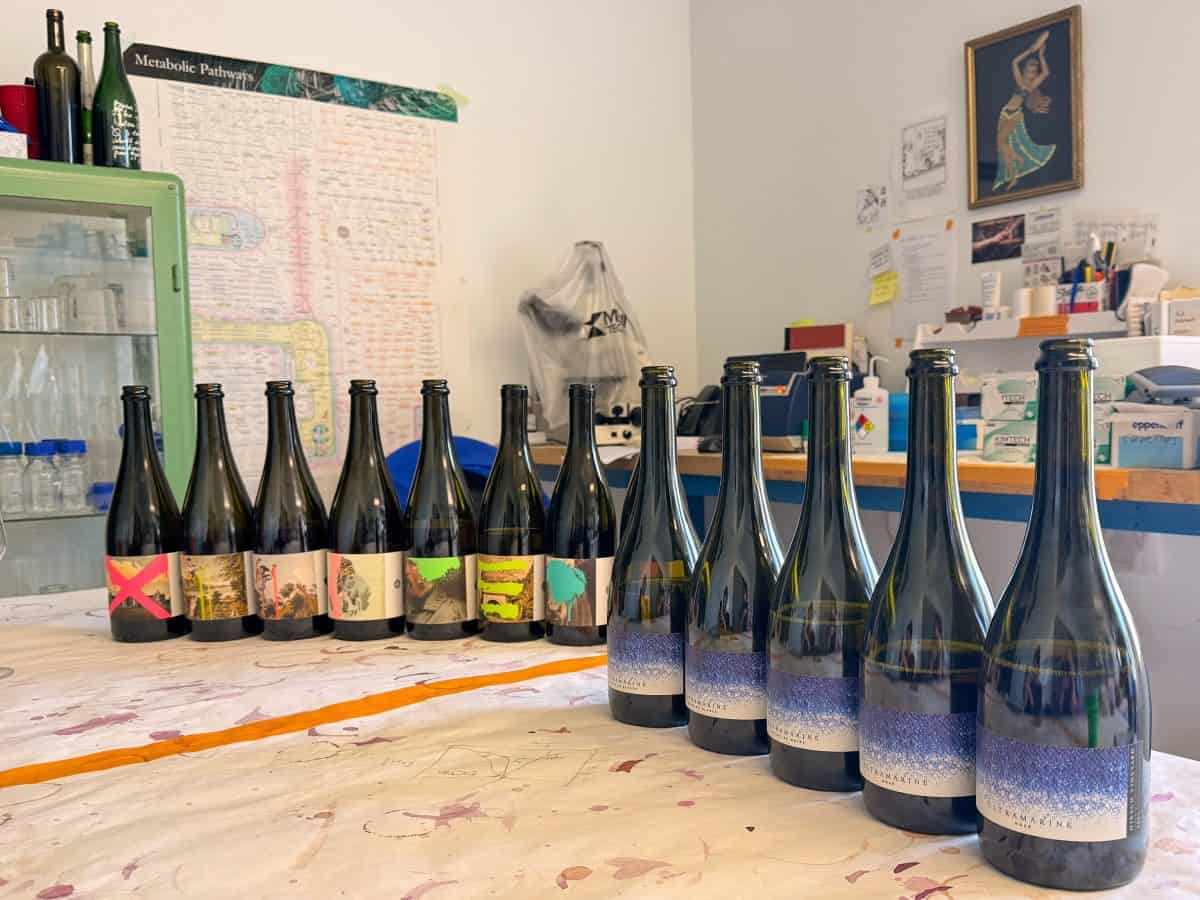
If there were a competition for California’s geekiest winemaker, I’m sure Michael Cruse would make the final round. His willingness to dive into the minutiae of (mostly sparkling) winemaking is unparalleled in my experience, something I’m reminded of when I show up to taste at his office, where a 4-foot-by-6-foot poster charting all the metabolic pathways known to science occupies almost the entirety of one wall. I’ll never forget the story he once told me of trying to culture his own yeast and making one of the biggest messes of his life.
The 46-year-old Cruse grew up in San Francisco and later moved to Petaluma. After studying molecular biology at UC Berkeley, Cruse worked in academic labs until he realized that he wasn’t feeding his soul. Inspired by a winemaker’s guest lecture during his college years, he tried his hand in the wine industry, first in enology labs and then in cellars, where he found his true calling.
After working his way up to Associate Winemaker at Merryvale’s Starmont winery in Napa, Cruse struck out on his own, opening a custom crush facility in Petaluma where he could make his own wines.
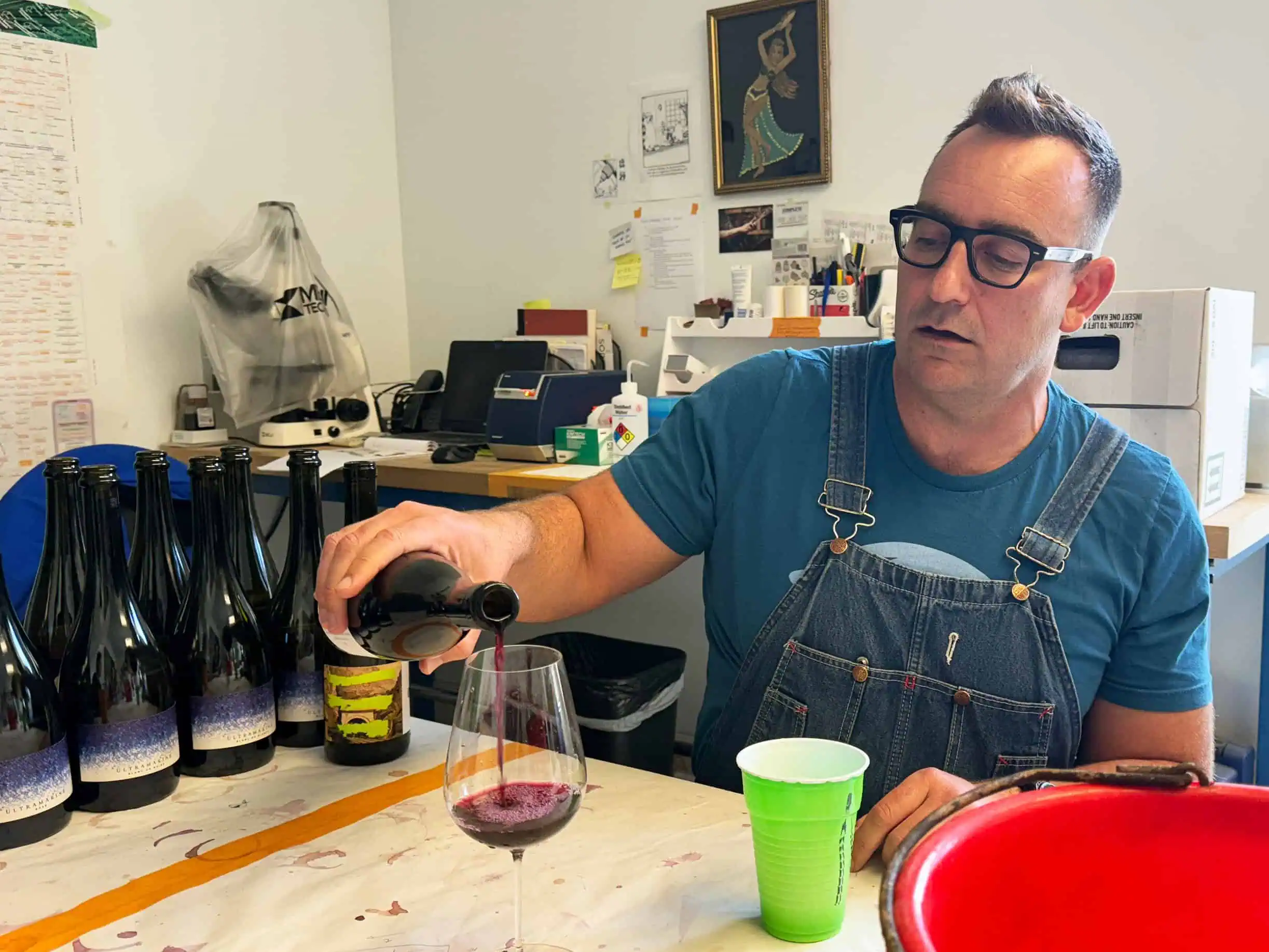
Along the way, he talked his way into getting some fruit from the legendary Heintz Vineyard on the Sonoma Coast and launched California’s first serious single-vineyard, extended-tirage sparkling wine brand known as Ultramarine. I’ve written in depth about the phenomenon that is Ultramarine before here on Vinography.
In addition to Ultramarine, which is made in such tiny quantities that it couldn’t really sustain a career or a household, Cruse makes a line of wines under the Cruse Wine Co. label that includes pét-nats, sparkling wines, and still red and white wines. The wines range from single-vineyard expressions to California-appellation blends of fruit from various sources. These wines have been designed from the start to be affordable and approachable.
“I was becoming ossified in Napa,” says Cruse about his career before deciding to start his own brand. “I was on the path to make $150 to $200 bottles, and it was bumming me out. With Cruse [Wine Co.], it was always going to be about making wines that people would drink.”
To that end, says Cruse, he hasn’t raised prices on his eponymous wines in 10 years. Ultramarine, too, remains relatively affordable to those on the mailing list, having risen from $45 to $80 or $95 a bottle over the course of 11 vintages. Of course, it trades at much higher prices on the secondary market thanks to its scarcity and high demand.
As top cuvées from some sparkling wine producers in California approach $200, Cruse’s wines, especially those made under the Cruse Wine Co. brand, begin to look like serious bargains. Affordability aside, Cruse has strong opinions about the correct approach to making sparkling wine in California.
“How should we be talking about California sparkling wine?” says Cruse. “This is one of the questions I have. It seems to me that instead of being afraid of sunshine, or overly indulgent, we can have density and weight that feel ripe but not overly fruity, which is where oxidation can come in.”
There are several points in the sparkling winemaking process where oxidation can play a positive role in shaping the character of the wine, but the three primary ones are how the juice is handled prior to and during the fermentation, how the still wine is aged prior to the secondary fermentation in the bottle, and the introduction of older, reserve wine into the overall blend.
Cruz presses slowly, allowing the juice longer contact with oxygen, and opting to ferment in barrels without adding sulfur dioxide continues that oxidative approach. The wines are then aged in barrels for a time with sulfur added to prevent malolactic fermentation, but the barrels allow further micro-oxygenation of the still wines. Finally, perpetual reserves (as Cruse uses with his “Tradition” sparkling wine) can hold a decade or more of older vintages and add further oxidative patina to balance out ripe fruit.
I do find Cruse’s sparkling wines, both those made under the Cruse label and Ultramarine, to be wonderfully balanced between fruit and more savory characteristics, though an extra edge and precision (perhaps thanks to the single-vineyard sourcing) give the Ultramarine wines a fineness that separates them from the Cruse bottlings.
Cruse does many things well when it comes to winemaking, but I particularly admire his attention to acidity. This goes especially for his still wines, which are often overlooked given his talents with bubbles. He’s particularly enamored with the Valdiguié grape variety, which has a long history in California. Long known in California as Napa Gamay, until ampelographers set the record straight, Valdiguié has many charms, not the least of which is a vibrant, juicy acidity accompanying a floral and berry flavor profile.
“It’s one of my favorite wines,” says Cruse, “but I can’t sell it to save my life.”
The Valdiguié and its sibling, the extremely quaffable Monkey Jacket, are, in my opinion, two of California’s better wine values, but they seem destined to remain in the shadow of the sparkling wines that have rightfully made Cruse so well known.
That’s something of a shame. For all his fascination with yeast metabolism and the esoterica of Champagne press cycles, Cruse is really after something pretty simple: wines people want to open on a weekday night. The science is just how he gets there. And since he’s taken care of all that geeky stuff for us, all we have to do is pull the cork.
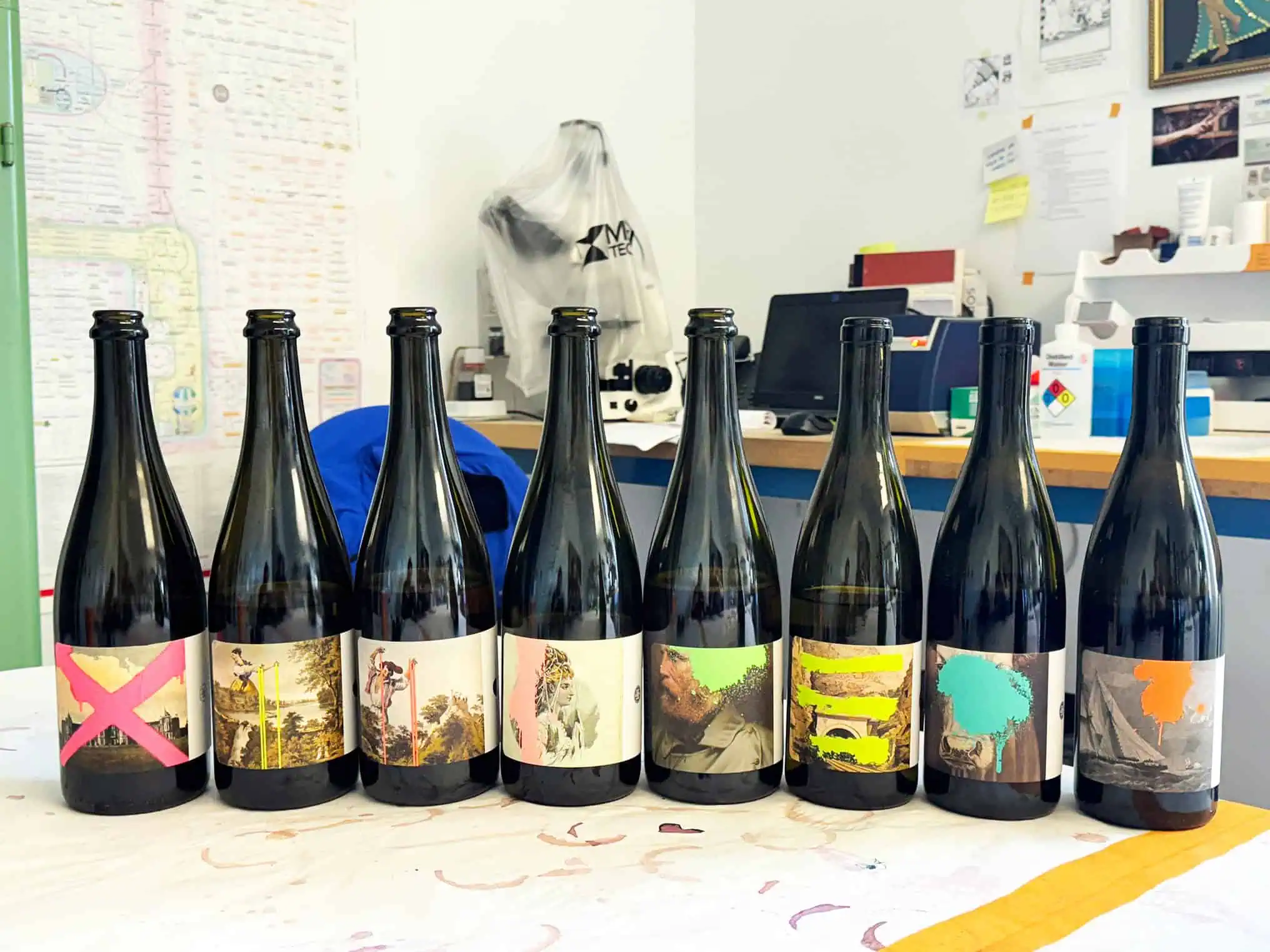
Tasting Notes
2023 Cruse Wine Co. “Ricci Vineyard Pet Nat” Rosé of Saint Laurent, Los Carneros, Sonoma, California
Light coppery pink in the glass with extremely fine bubbles, this wine smells of peaches, orange creamsicle, and wet pavement. In the mouth, a soft mousse delivers flavors of bubble gum, stone fruit, plum, and citrus peel. Macerated for a few hours, pressed to bottling at 1-1.5 brix, with only the first gentle press fractions used (cuvée only, no taille). Spends 18 months in bottle and is sold undisgorged under a crown cap in pétillant naturel style. 11% alcohol. 4000 bottles made. Score: between 8.5 and 9. Cost: $36. click to buy.
2025 Cruse Wine Co. “Deming Pet Nat” Rosé of Valdiguié, Calistoga, Napa, California
Pale gold with a hint of peach and faint tiny bubbles, this wine smells of orange pith, unripe apricot, and a touch of pastry cream. In the mouth, a soft mousse delivers faintly sweet flavors of orange peel, white peach, berries, and a touch of dry herbs. Pretty and refreshing. Dry-farmed, organic 80+ year-old vines. Macerated for a few hours, pressed to bottling at 1-1.5 brix, with only the first gentle press fractions used (cuvée only, no taille). Spends 18 months in the bottle and is sold undisgorged under a crown cap in pétillant naturel style. 12% alcohol. 3500 bottles. Score: around 9. Cost: $35. click to buy.
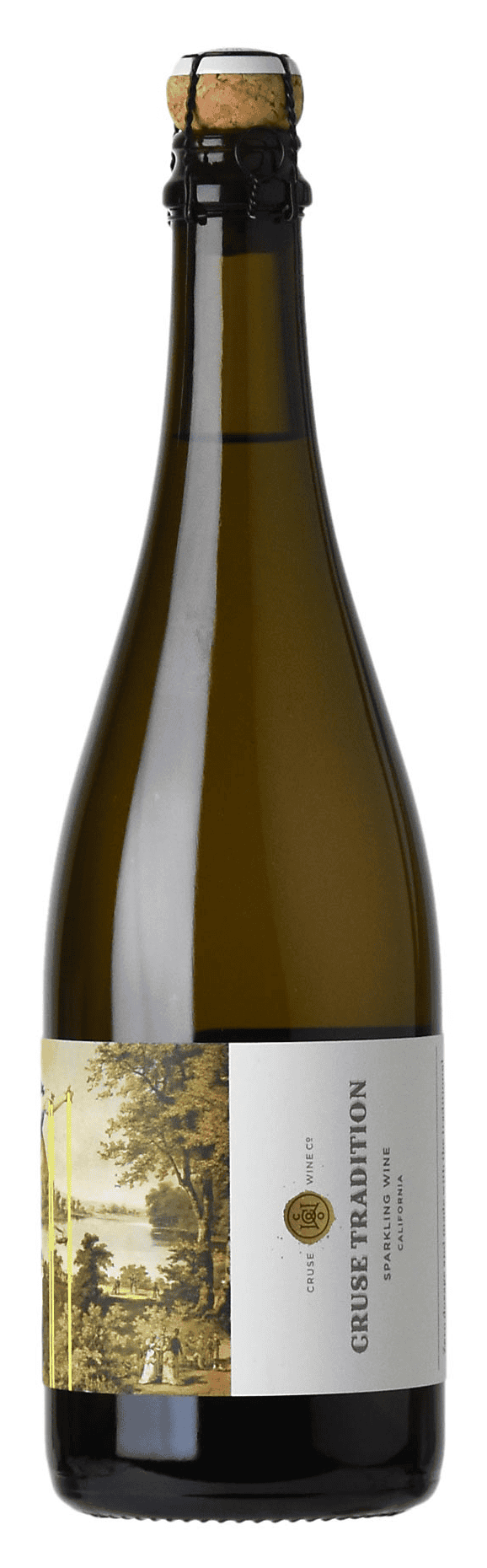
NV Cruse Wine Co. “Tradition” Rosé Sparkling Wine, California
Light coppery peach in color with very fine bubbles, this wine smells of crabapples, warm wool, dried herbs, and dried flowers. In the mouth, a voluminous, silky mousse delivers flavors of orange peel, berries, a touch of crabapple, and a nice floral aromatic sweetness across the palate. Sophisticated and sensual, with great acidity, lift, and length on the palate. Extremely tasty. 95% Pinot Noir, 5% Chardonnay. Spends 36 months on the lees and receives 6 g/L dosage. All 2021 fruit. 12.5% alcohol. Score: between 9 and 9.5. Cost: $60. click to buy.
NV Cruse Wine Co. “Tradition” Sparkling Wine, California
Light gold in the glass with a hint of bronze and fine bubbles, this wine smells of marzipan, biscotti, and roasted nuts. In the mouth, a silky, voluminous mousse delivers dried orange peel, roasted sesame and poppy seeds, savory dried herbs, and a touch of nougat. Long on the palate with a lovely energy and a mysterious aspect. Wonderfully delicious. A blend of 57% Pinot and 43% Chardonnay. Two-thirds of the juice comes from 2022 fruit, the remainder being a perpetual cuvée going back to 2015. Ages for 30 months on the lees in the bottle before being disgorged in January of 2026 with zero dosage.12.5% alcohol. Score: around 9.5. Cost: $50. click to buy.
2021 Cruse Wine Co. “Blanc de Noirs” Sparkling Wine, Sonoma Coast, Sonoma, California
Pale gold in the glass with very fine bubbles, this wine smells of crushed cashews, white flowers, and resinous herbs. In the mouth, salty crushed nuts, rosemary, bitter herbs, and wet chalkboard take on a chalky texture through the finish. Great acidity and lovely salinity. A radically distinctive and unusual wine. Some extra Pinot Noir fruit from Charlie Heintz became available, and the puncheons where the finished wine was aged were hard-bunged, taped, and not topped up, allowing some of them to form a blanket of flor yeast. The puncheons that didn’t get flor were moved into the rosé program. The wine was then aged for 30 months on the lees in bottle before disgorgement with zero dosage. 12.5% alcohol. Score: around 9. Cost: $60.
2024 Cruse Wine Co. “Rorick Vineyard” Chardonnay, Sierra Foothills, California
Pale yellow-gold in the glass, this wine smells of lemon blossom, candied lemon peel, and a hint of candle wax. In the mouth, silky flavors of lemon oil, lemon peel, and white flowers have a more delicate acidity and a faint stony minerality. Vines were planted in the late 1970s and are own-rooted, growing in mica-schist soils. Whole cluster pressed. 13.5% alcohol. 450 cases made. Score: between 8.5 and 9. Cost: $32. click to buy.
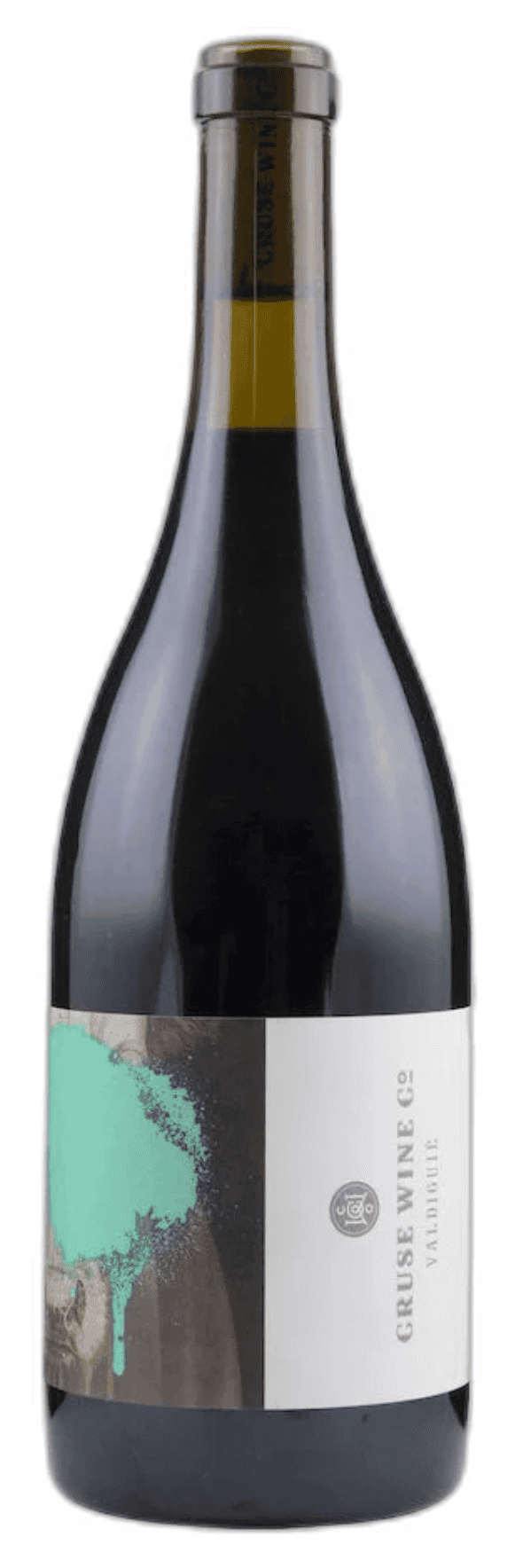
2023 Cruse Wine Co. “Rancho Chimiles” Valdiguié, Napa Valley, Napa, California
Medium purple in the glass, this wine smells of boysenberries and blueberries. In the mouth, stony and crunchy blueberry and boysenberry flavors are mixed with dried herbs and bright floral notes. Faint tannins have an amazing stony grip. Fantastic acidity and a sort-of-stony seamlessness that is quite alluring. Vines planted in the early 1970s. Fully destemmed and fermented in concrete, where it ages for 12 months before bottling. 12% alcohol. 275 cases made. Score: between 9 and 9.5. Cost: $33. click to buy.
2023 Cruse Wine Co. “Monkey Jacket” Red Blend, California
Medium garnet in the glass with purple highlights, this wine smells of boysenberries, blackberries, and dried herbs. In the mouth, boysenberries, licorice, charred vegetables, and dried herbs. Powdery tannins stiffen slightly, with excellent acidity keeping things fresh. Notes of purple SweetTarts linger in the finish. An equal blend of Valdiguié, Petite Sirah, Carignan, and Zinfandel, with a trace of Tannat, all fermented separately. The Valdiguie and Zinfandel are destemmed, the others with whole clusters. Blended early, and then aged for 12 months in a combination of 50% concrete and 50% neutral wood. 13% alcohol. Score: between 8.5 and 9. Cost: $27. click to buy.
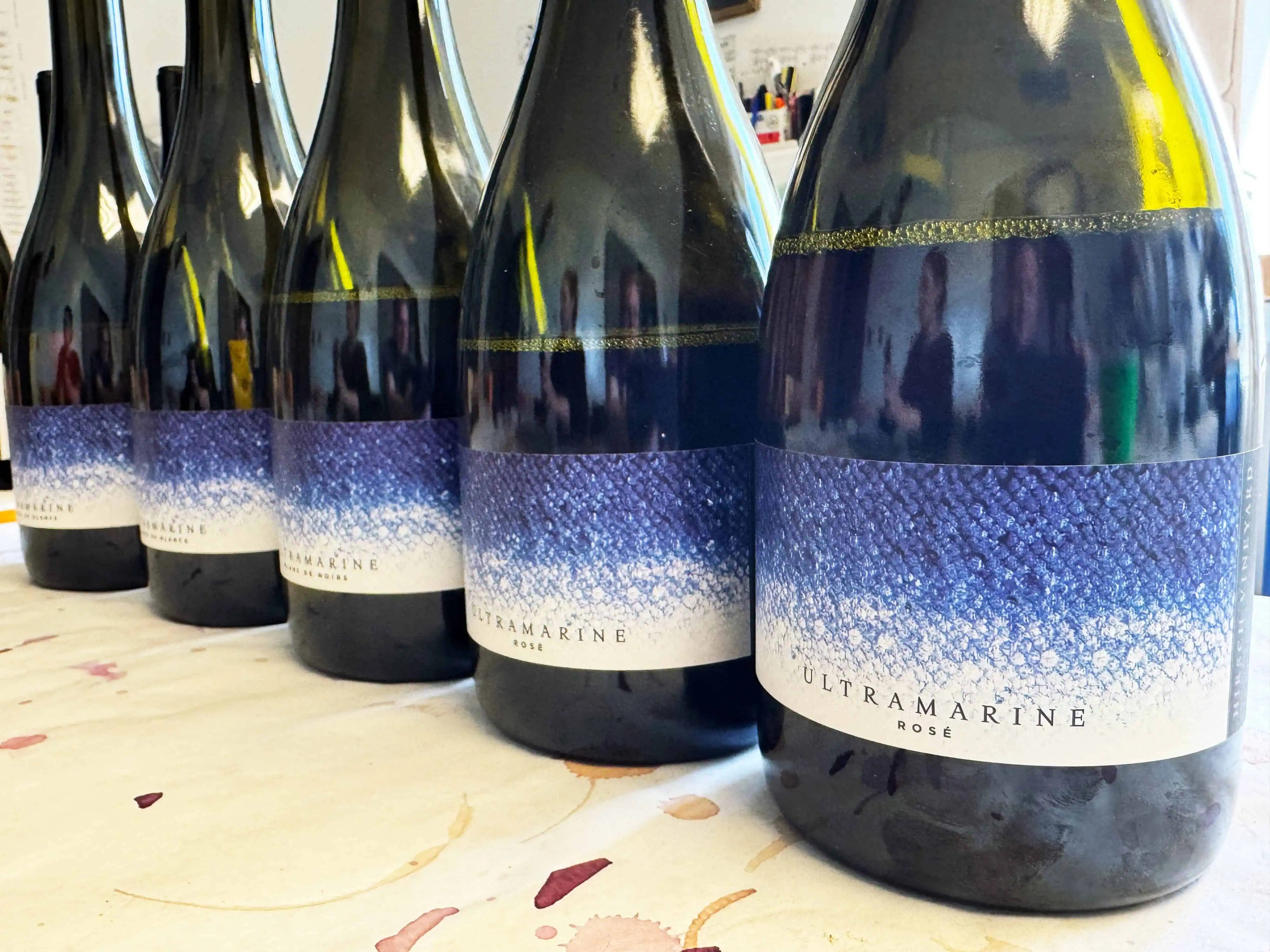
Note that the prices shown below are what the wines can be purchased for on the secondary market.
2021 Ultramarine “Michael Mara Blanc de Blancs” Sparkling Wine, Sonoma Coast, Sonoma, California
Pale yellow gold in the glass with fine bubbles, this wine smells of lemon pith, wet chalkboard, and a hint of toasted sesame. In the mouth, toasted sesame and crushed roasted nuts mix with white flowers and stony wet pavement, all borne on a silky, airy, voluminous mousse. Notes of dried herbs and citrus pith linger in the finish along with a hint of sourdough croutons. Long finish. Great poise. There’s a floral aspect that adds an extra allure to this stunning wine. 100% Chardonnay. The still wine spends about a year in 30% new large-format oak before secondary fermentation. Aged for 44 months on the lees in the bottle before disgorging in November 2025 with 2 g/L dosage. 12.5% alcohol. 1200 bottles made. Score: around 9.5. Cost: $190.
2021 Ultramarine “Charles Heintz Blanc de Blancs” Sparkling Wine, Sonoma Coast, Sonoma, California
Pale yellow gold in the glass with fine bubbles, this wine smells of salty struck match, charred lemon peel, and a hint of dried herbs. In the mouth, a mousse of moderate volume delivers salty flavors of lemon peel, toasted sourdough, a faint touch of green herbs, and gorgeous stony wet chalkboard minerality. Lemon peel and orange peel flavors linger in the finish with sea air and a touch of kelp. A stunning, electric wine that manages to be generous and electrically lean at the same time. 100% Chardonnay. The still wine spends about a year in 30% new large-format oak before secondary fermentation. Aged for 44 months on the lees in bottle before disgorging in November 2025 with 2 g/L dosage. 12.5% alcohol. 2000 bottles made. Score: between 9.5 and 10. Cost: $190. click to buy.
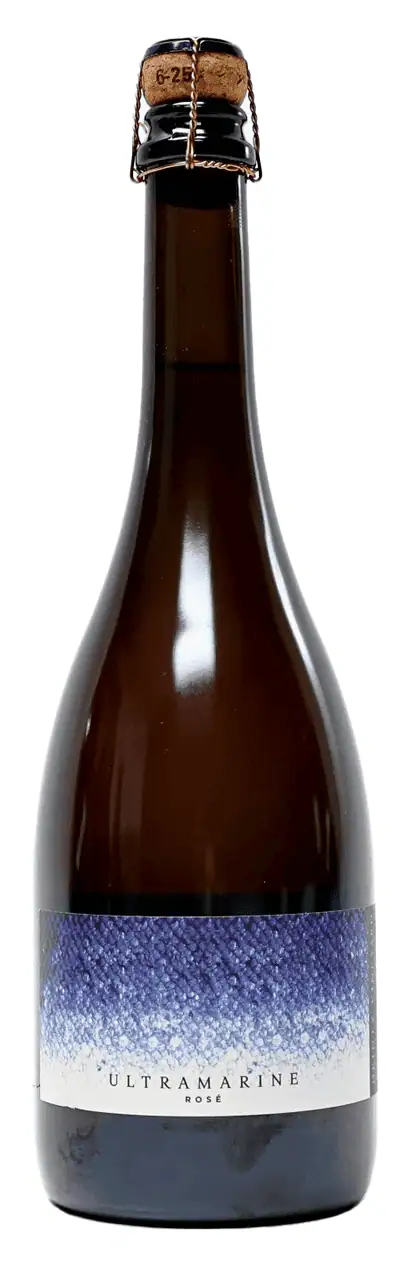
2021 Ultramarine “Charles Heintz Blanc de Noirs” Sparkling Wine, Sonoma Coast, Sonoma, California
Pale yellow gold in color with fine bubbles, this wine smells of wet chalkboard and cherries, white flowers, and acerola. In the mouth, a silky, voluminous mousse delivers flavors of acerola, cherry, saline citrus peel, gorgeous wet chalkboard, and a hint of tidepool. Tangy and mouthwatering, with a crazy salty candied citrus note that lingers in the finish for a long time. Simply gorgeous. 100% Pinot Noir. The still wine spends about a year in 30% new large-format oak before secondary fermentation. Aged for 44 months on the lees in bottle before disgorging in November 2025 with 2 g/L dosage. 12.5% alcohol. 1600 bottles made. Score: between 9.5 and 10. Cost: $172. click to buy.
2021 Ultramarine “Charles Heintz” Rosé Sparkling Wine, Sonoma Coast, Sonoma, California
Light coppery pink with a hint of orange and very fine bubbles, this wine smells of berries and a hint of hibiscus. In the mouth, a softer mousse delivers faint struck match and berry notes, saline with a lovely sea-air quality, and a touch of acerola and citrus peel lingering in the finish. A blend of 50% Pinot Noir, 50% Chardonnay, plus 5-8% still red wine for color. The still wine spends about a year in 30% new large-format oak before secondary fermentation. Aged for 44 months on the lees in bottle before disgorging in November 2025 with 6 g/L dosage. 12.5% alcohol. 4000 bottles made. Score: around 9.5. Cost: $180. click to buy.
2021 Ultramarine “Hirsch Vineyard” Sparkling Rosé of Pinot Noir, Fort Ross-Seaview, Sonoma Coast, Sonoma, California
Light coppery pink in the glass with fine bubbles, this wine smells of red apple skin, cranberries, citrus peel, and dried herbs. In the mouth, a softer, silky mousse delivers flavors of strawberry, biscuits, dried herbs, and a hint of crushed nuts. In the finish, there’s a dried herb quality that lingers for a long time. Fantastic. 100% Pinot Noir from Block 15 of Raschen Ridge at Hirsch Vineyards, saignéed after 12 hours of maceration. The still wine spends about a year in 30% new large-format oak before secondary fermentation. Aged for 44 months on the lees in bottle before disgorging in November 2025 with 6 g/L dosage. 12.5% alcohol. 4000 bottles made. Score: around 9.5. Cost: $160. click to buy.