I had the good fortune last week of being invited to the home of a wine collector in San Francisco who is obsessed with older California wines. Over a home-cooked meal, he pulled treasure after treasure out of his cellar for his guests to taste blind. While I have had the privilege to taste some California wines dating back to the early 1970s occasionally over the last 20 years, I have never had the opportunity to taste so many well-cellared examples in a single sitting. I wasn’t the only one in the room taking detailed notes on the wines.
Everyone, the collector included, expressed astonishment at how few of these wines were dead or faulty. That’s all the more remarkable for the fact that most of these bottles were purchased in the last 20 years at auction. “When I’m just home drinking by myself, the hit rate on bottles like these is much lower,” admitted our host.
Just to frame the era in which most of these bottles were made, here are a few statistics about the California wine industry circa 1974.
California crushed enough wine grapes in 1974 to make approximately 243.4 million gallons of wine, or around 102 million cases of wine, roughly half of what is produced these days and a third of what California produced at its peak in 2017. Roughly one third of that volume would have been unfortified sweet dessert wine.
In 1975, according to Bob Thompson’s Wine Atlas of California with Oregon and Washington, Napa hosted between 40 and 45 wineries. According to the Sonoma Department of Agriculture, Sonoma hosted around 35 to 40 wineries in 1973.
The five most planted wine grape varieties according to 1972 statistics were, in descending order of volume: Carignane, French Colombard, Zinfandel, Grenache, and Barbera. In total, these grapes made up roughly 44% of California’s winegrape production.
The average price per ton of wine grapes in 1974 was $146, down from $207 the year before. Last year the average price per ton across the entire state was $978 per ton. This year in Napa, Cabernet Sauvignon sold for $8,933 per ton, and Cabernet Franc sold for $11,131 per ton.
A lot of people I know in wine think of the 1970s and early 1980s as the golden age of California winemaking, pointing to the lower alcohol levels, the greater tolerance for pyrazines (thanks in part to both cooler times and much less strict sorting regimens) and a greater tendency to make wines with the expectation that they will be aged.
Most of the time, when people are talking about these older California wines, they’re talking about Cabernet Sauvignon. That tends to be most of what is left in people’s cellars now, in large part because it has tended to age better than most other varieties in California, perhaps with the exception of Petite Sirah, which can sometimes seem quite ageless. Zinfandels from this era can also be quite good, though I think there are fewer bottles out there. Pinot Noir remains rarer, its boom in plantings having come a bit later.
Not everyone loves the taste of old wine, of course, but when they’re good, there’s nothing quite like the combination of complexity and romance you get when a bottle older than yourself seems to have so much to say in the glass.
Tasting Notes
These wines are, by definition, all collector’s items at this point. Where I have been able to find the exact vintage for sale online, I have listed prices and provided links to purchase. If you are considering purchasing older wines, please do have a care for provenance. It makes a huge difference.
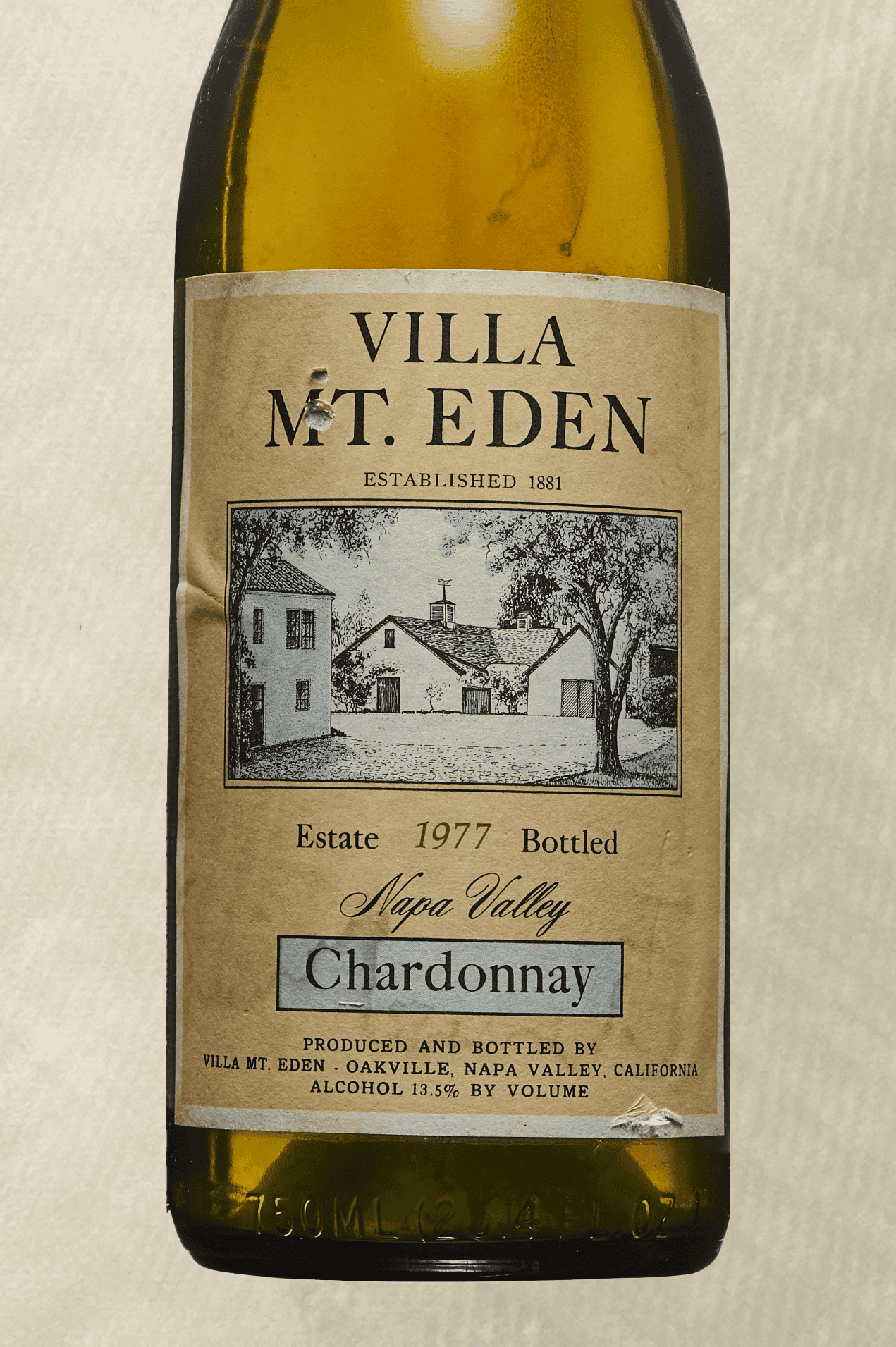
1977 Villa Mt. Eden Chardonnay, Napa, California
Medium to dark gold in the glass, this wine smells of candied citrus peel, butterscotch, and dried herbs. In the mouth, butterscotch, candied citrus, honey, dried herbs, and sassafras flavors have a nice sweetish complexion, with softer acidity and a very silky texture. There’s some oxidation here, but it is fairly easy to look past, with the wine still quite alive, as well as a touch of heat in the finish. Decent, but more of a curiosity than something I’d be really excited to drink. 13.5% alcohol. Score: around 8.5.
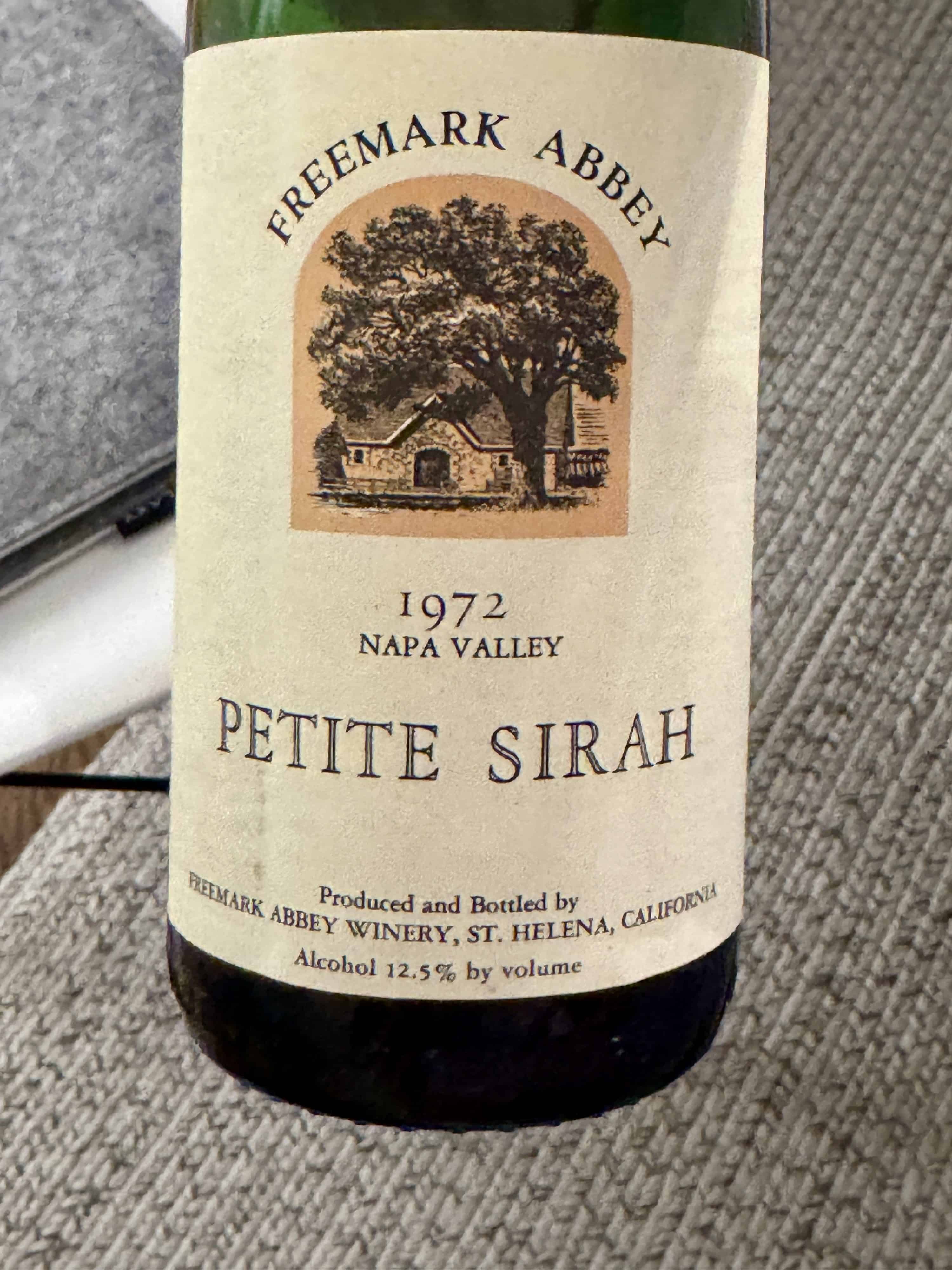
1972 Freemark Abbey Petite Sirah, Napa Valley, Napa, California
Dark ruby in the glass, this wine smells of black cherries, prunes, chocolate, and a hint of molasses. In the mouth, rich dark cherry and cola flavors mix with chocolate, prunes, and a touch of chopped herbs. Lightly grippy tannins are still buffing the edges of the mouth, and there’s definitely still great acidity and length here. Honestly quite tasty and complex, with lovely dark tones that suggest the nooks and crannies of a Victorian library.12.5% alcohol. Score: between 9 and 9.5.
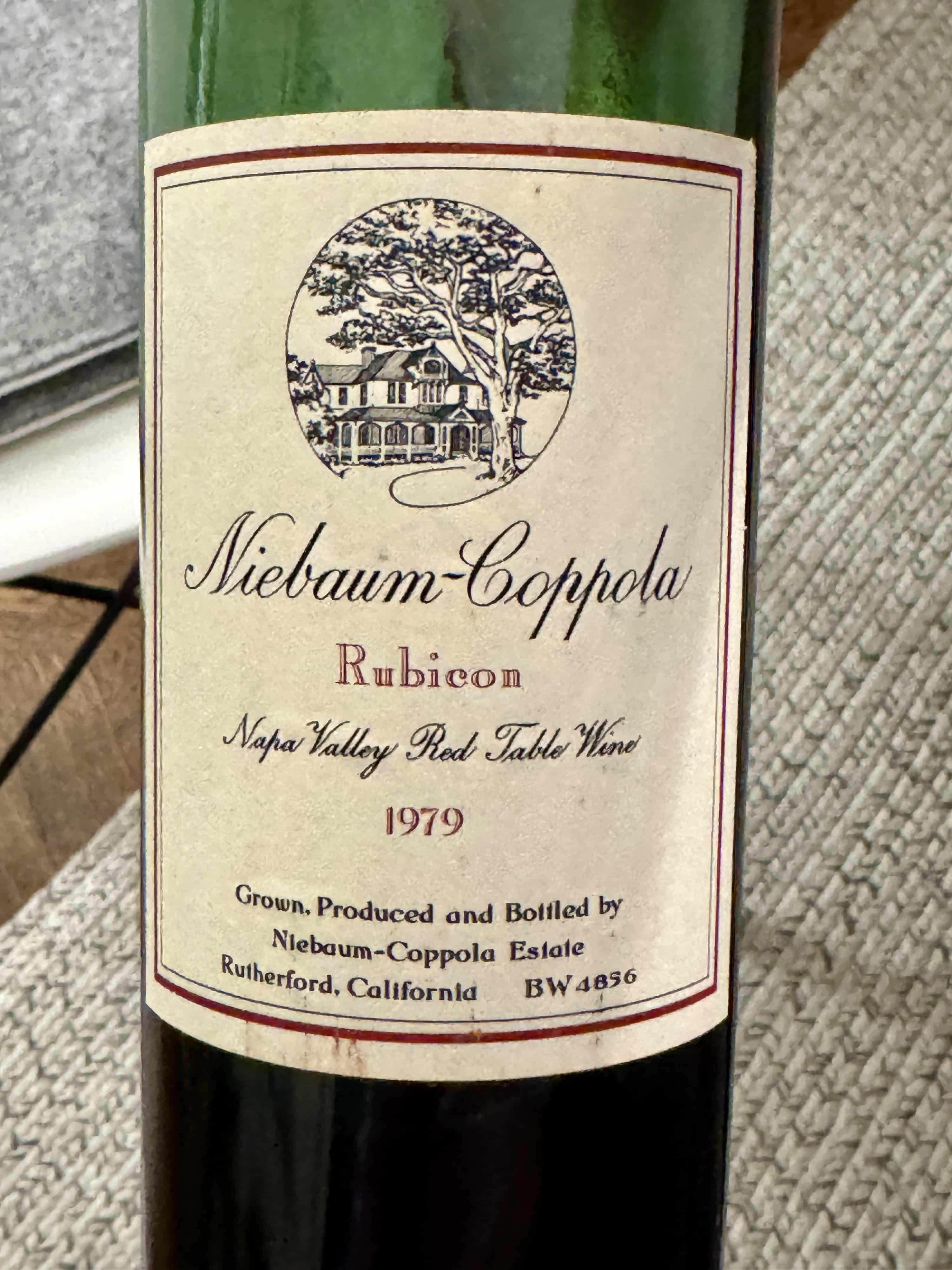
1979 Niebaum Coppola “Rubicon” Cabernet Sauvignon, Napa Valley, Napa, California
Very dark ruby in the glass with, remarkably, some hints of garnet still in it, this wine smells of chopped herbs, soy sauce, cola, and prunes. In the mouth, prunes, molasses, stewed black cherries, and fleecy tannins still linger thick on the palate. Licorice and hoisin linger in the finish. Decent acidity, but feeling slightly tired. Labeled as table wine (required to be under 14% alcohol), so no alcohol is given on the label. Score: between 8.5 and 9.
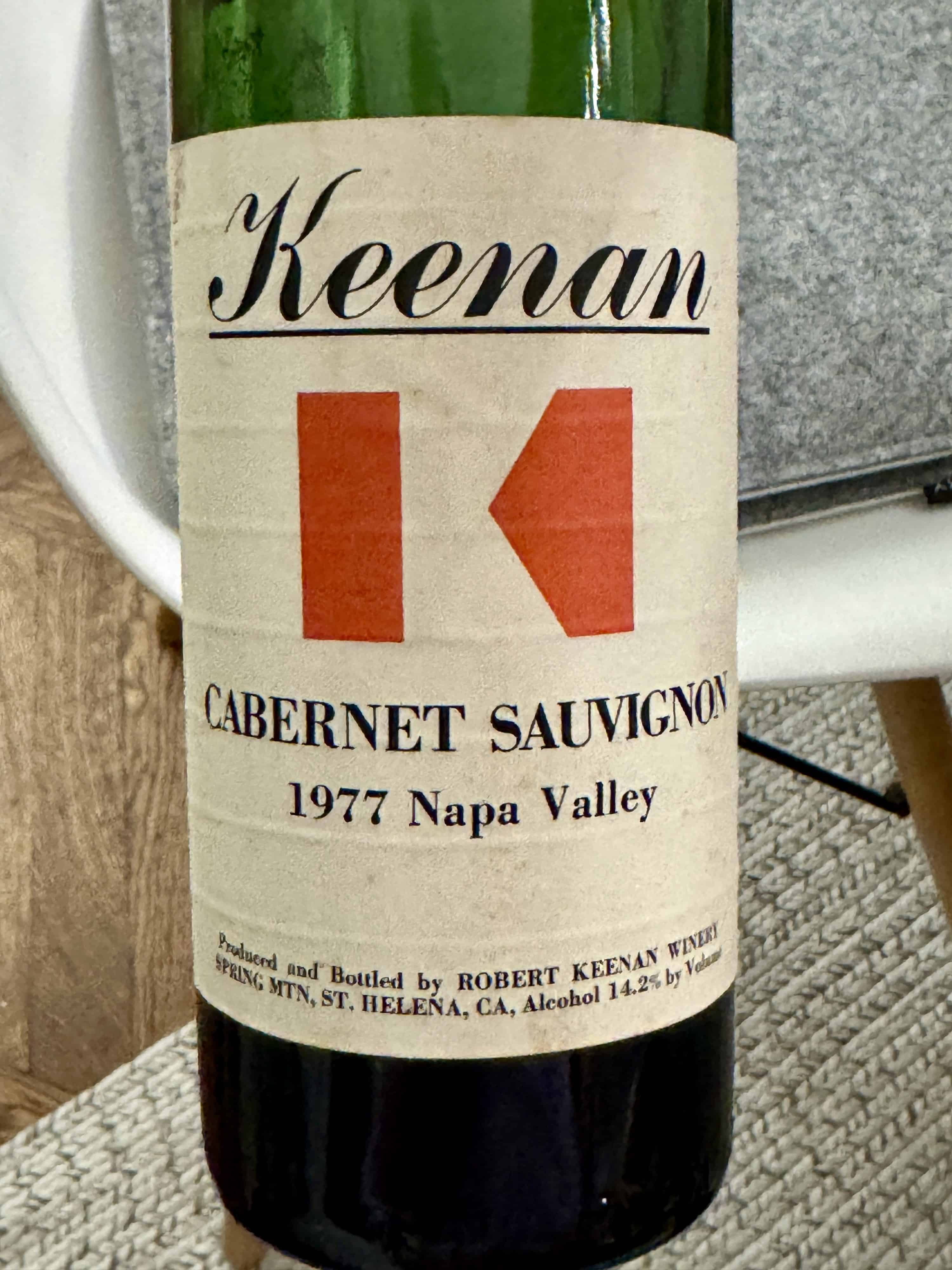
1977 Keenan Vineyards Cabernet Sauvignon, Spring Mountain District, Napa, California
Dark ruby in the glass, this wine smells of minty black cherry, molasses, and licorice. In the mouth, fleecy tannins wrap around a core of black cherry, sawdust, dried herbs, licorice, and hoisin. Very good acidity remains in this wine, and it offers distinct pleasure and the sort of mountainside freshness that has made me a longtime fan of early vintage Keenan wines. 14.2% alcohol. Score: around 9. Cost: $138. click to buy.
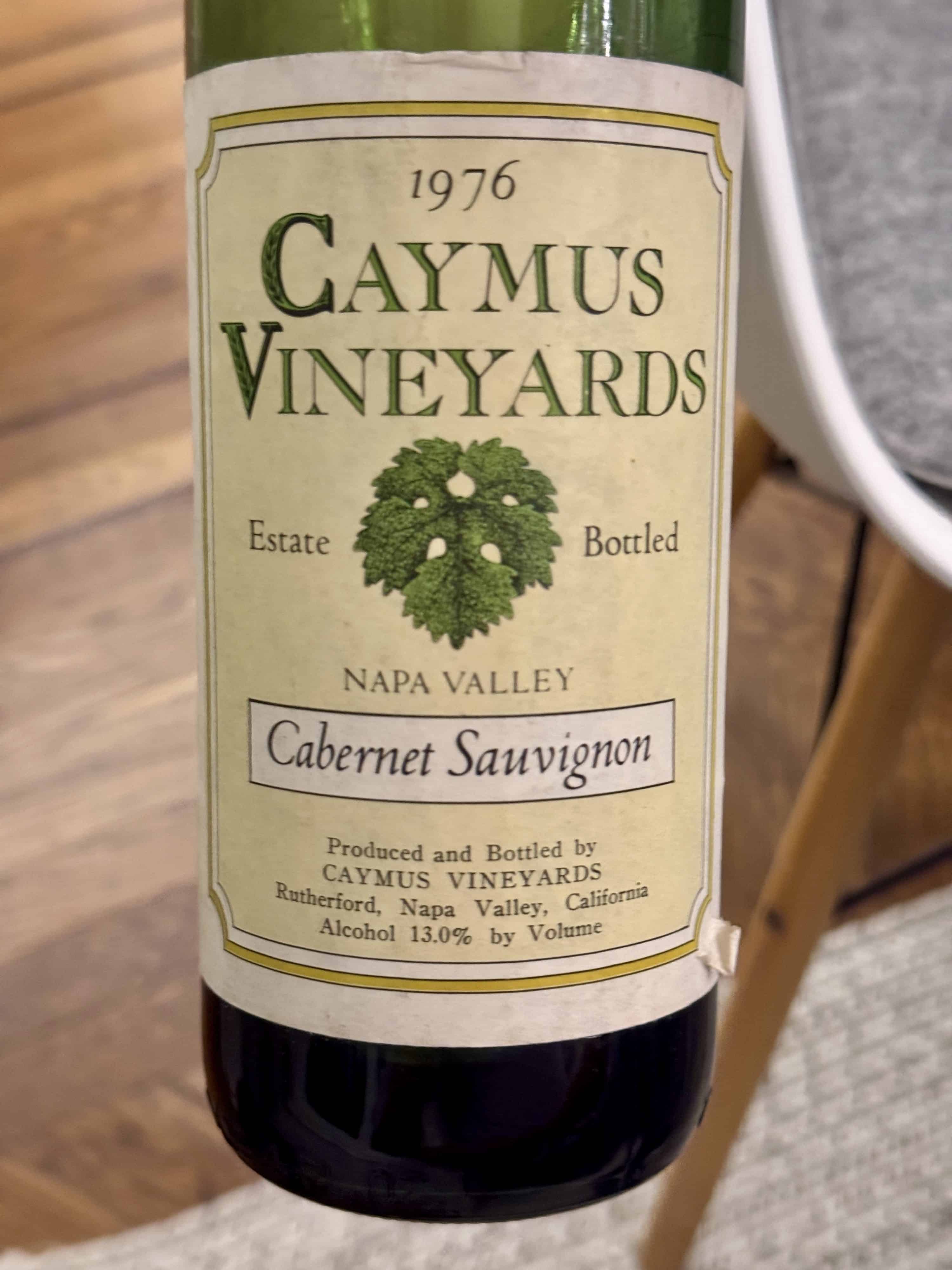
1976 Caymus Vineyards Cabernet Sauvignon, Napa Valley, Napa, California
Very dark blood red in the glass, with a fine haze of sediment, this wine smells of minty cherry and chopped herbs. In the mouth, wonderfully bright cherry, road dust, and minty herbal notes have great freshness and acidity. Very coniferous in quality with powdery tannins. This is simply a delicious wine and a reminder why Caymus became so popular. This wine, of course, was made when the winery could still be considered an artisan production. 13% alcohol. Score: between 9 and 9.5. Cost: $415. click to buy.
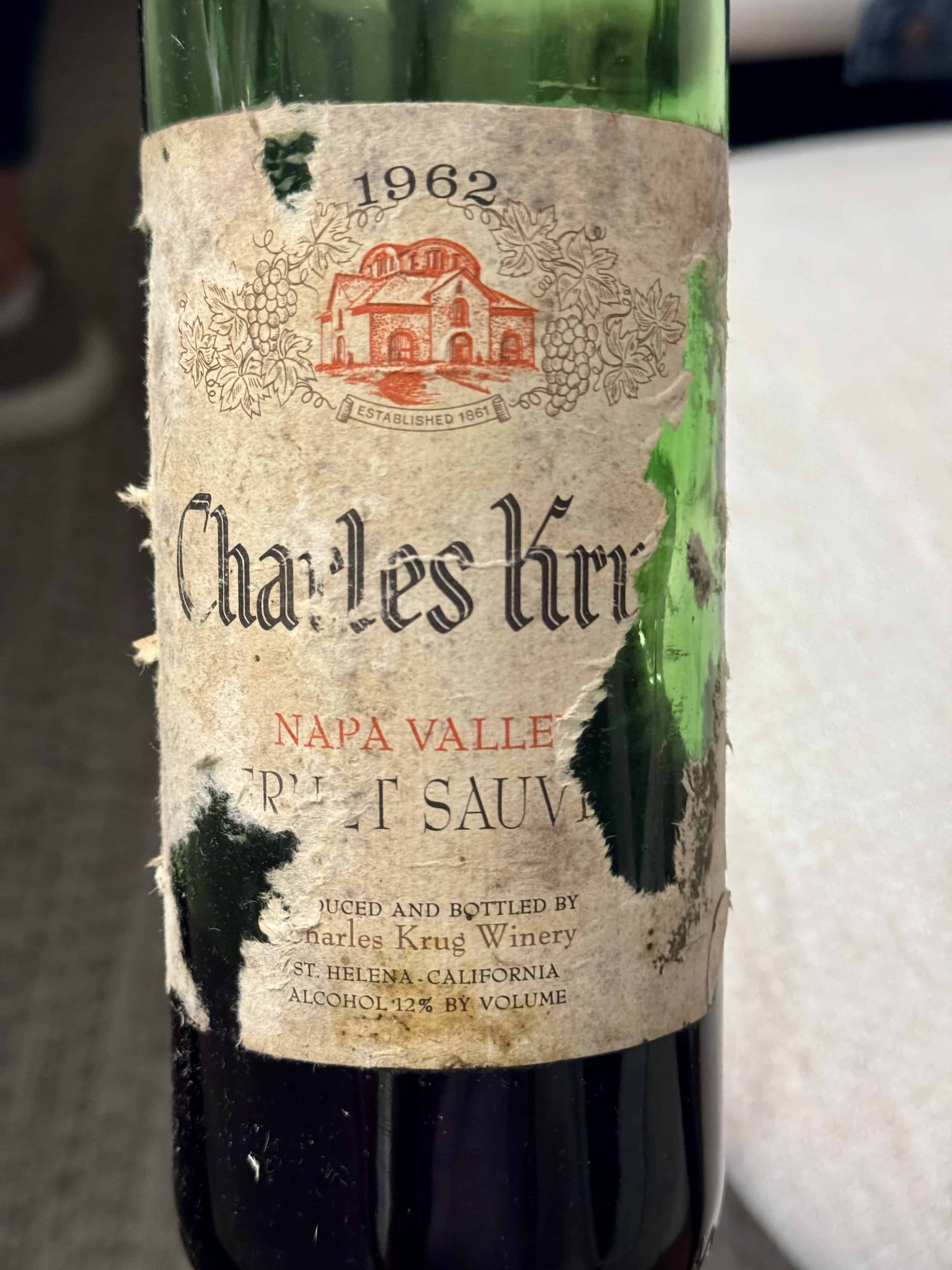
1962 Charles Krug Cabernet Sauvignon, Napa Valley, Napa, California
Medium blood red in the glass, this wine smells of redwood bark, dusty earth, dried herbs, and dried licorice root with just a hint of something incense-like or smoky. In the mouth, juicy dried cherry, road dust, and dried herb flavors retain a lovely freshness thanks to excellent acidity and the ghostly traces of pyrazines. Tight, fine tannins grip the edges of the palate, and the wine still has quite the finish. I have had more of these wines from the 1970s than any other producer in Napa, but this was my first taste of one from the 1960s. 12% alcohol. Score: around 9. Cost:
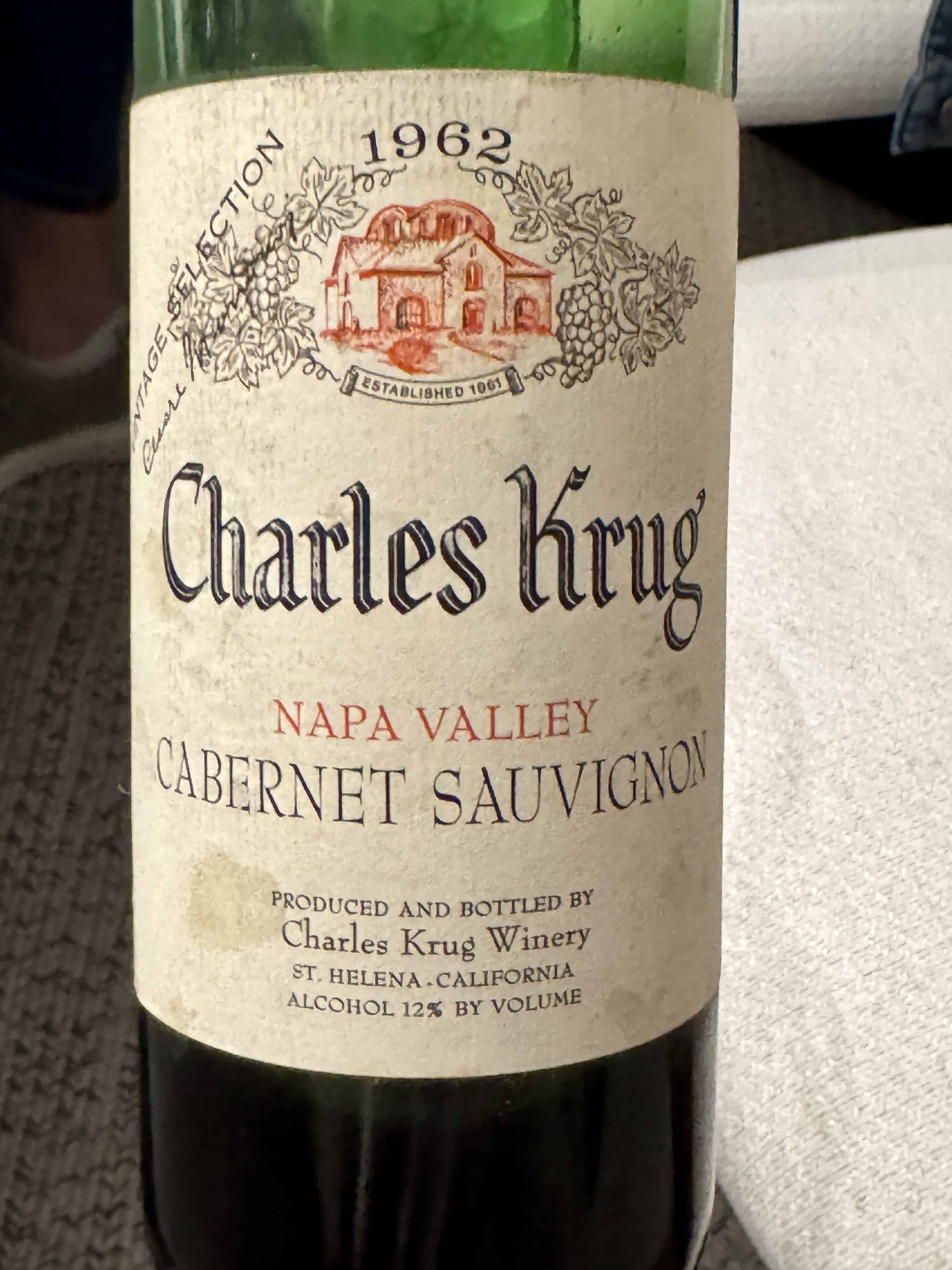
1962 Charles Krug “Vintage Selection” Cabernet Sauvignon, Napa Valley, Napa, California
Very dark blood red in the glass, this wine smells of meaty cherry and cola, hoisin, and road dust. In the mouth, dusty tannins coat the mouth, as muted flavors of dried herbs and dried cherries mix with road dust, and very good acidity keeps things fresh. Hints of licorice linger in the finish, but this, the reserve/flagship bottling from the 62 vintage, is a muddier, muddled bottle in comparison to the normal Cabernet bottling that preceded it in the tasting. It might have had the fresher-looking label, but it wasn’t nearly as tasty as its scruffier sibling. 12% alcohol. Score: between 8 and 8.5.
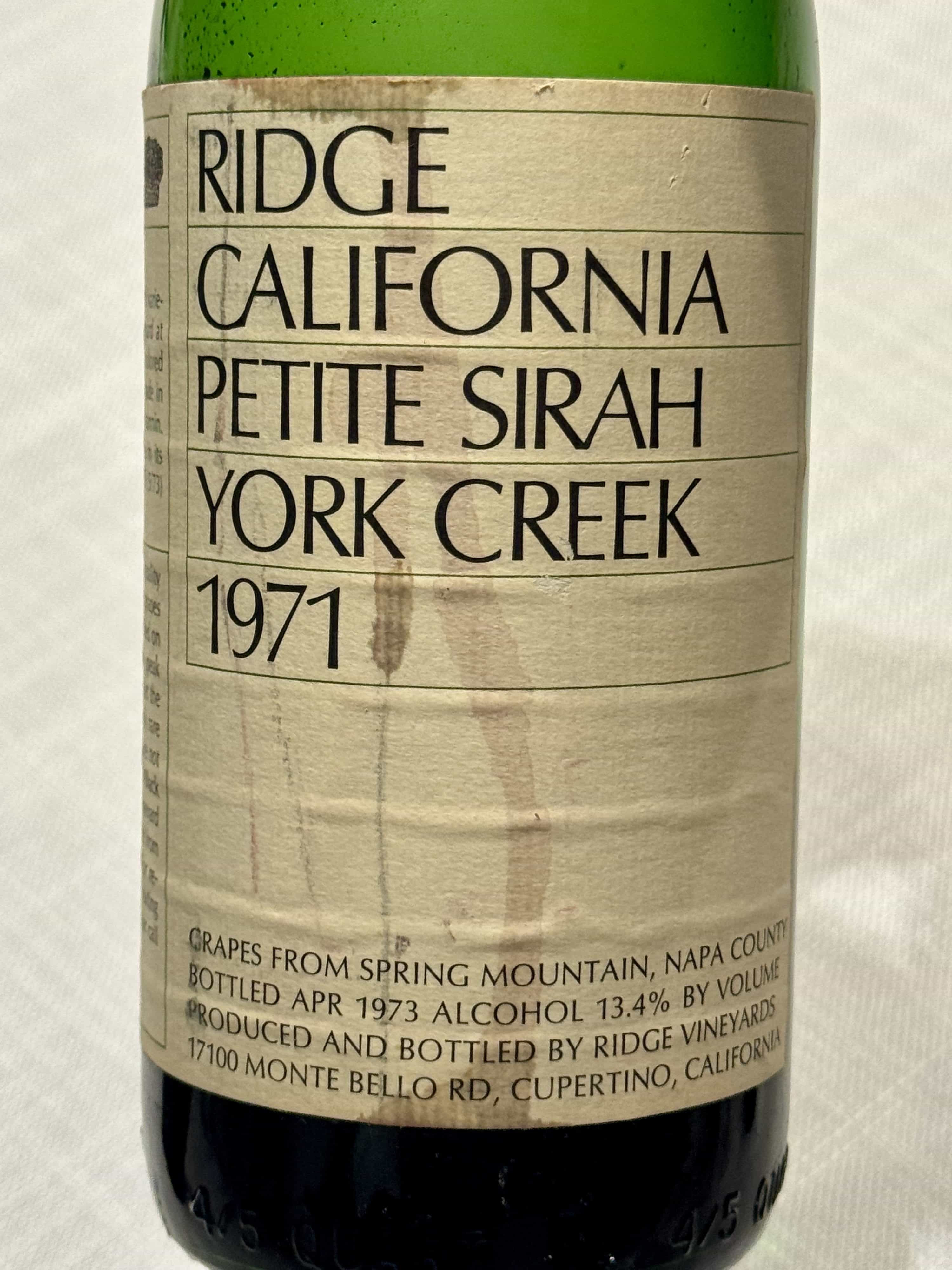
1971 Ridge Vineyards “York Creek” Petite Sirah, Spring Mountain District, Napa, California
Very dark ruby in the glass, this wine smells of tobacco, hoisin, black cherries, and soy sauce. In the mouth, salty flavors of black cherry, smoked meat, and licorice are wrapped in powdery tannins that give the wine an overall fluffy texture. Notes of licorice and cedar linger in the finish with a hint of molasses sweetness. Very good acidity here, and an overall savory, saline undertone that makes it quite easy to drink. 13.4% alcohol. Score: between 8.5 and 9. Cost: $472. click to buy.
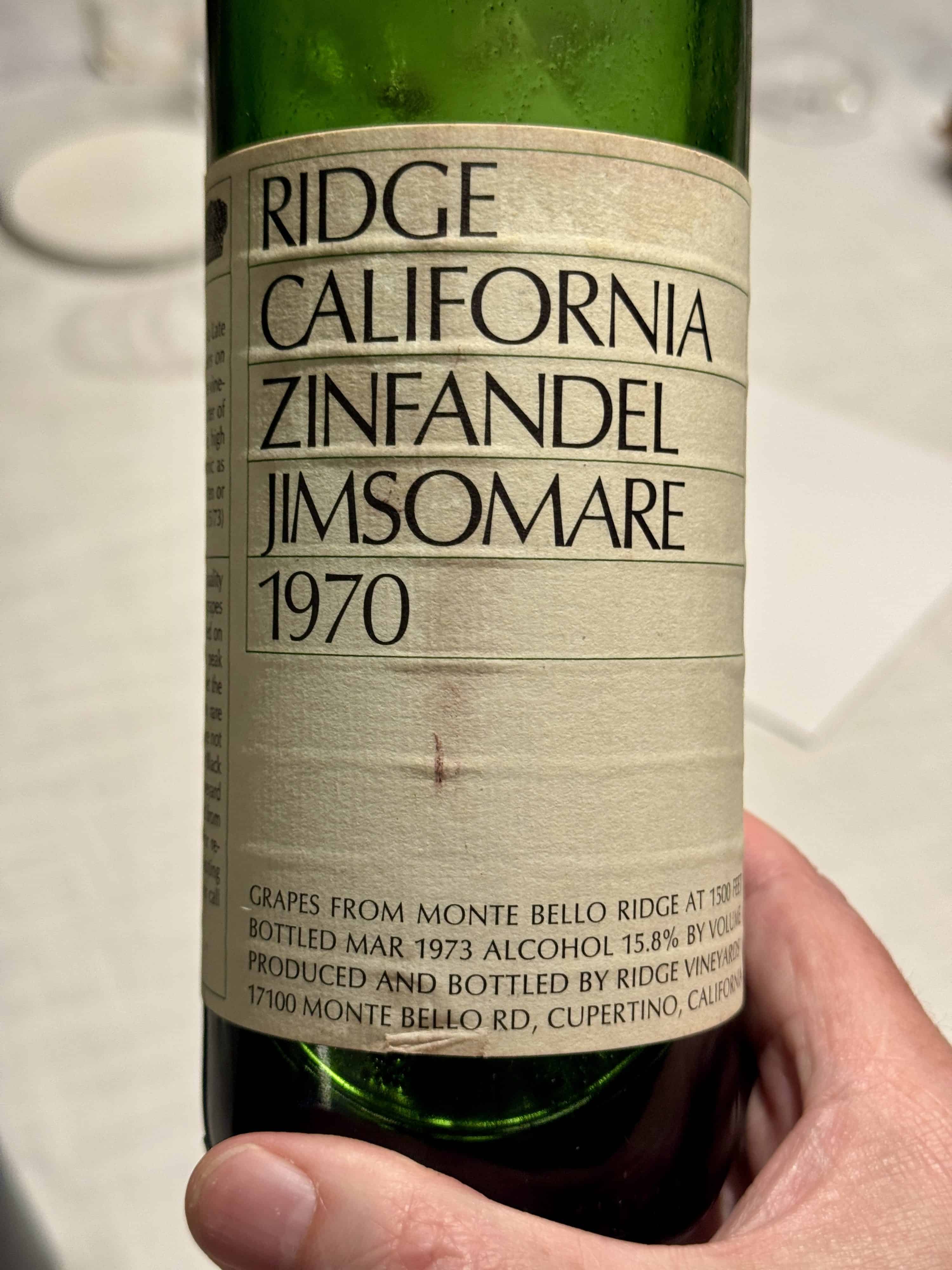
1970 Ridge Vineyards “Jimsomare” Zinfandel, Santa Cruz Mountains, California
Medium to dark garnet in the glass, this wine smells of hoisin and Worcestershire sauce, cola, and prunes. In the mouth, slightly vegetal flavors of stewed cherries and prunes mix with dried herbs, and surprisingly good acidity. Faint gauzy tannins coat the mouth, but this wine is tired and ends up feeling a bit flat on the palate. The wine’s 15.8% alcohol is a bit surprising, as the 1970 vintage wasn’t overly warm. Score: between 8 and 8.5. Cost: $. click to buy.
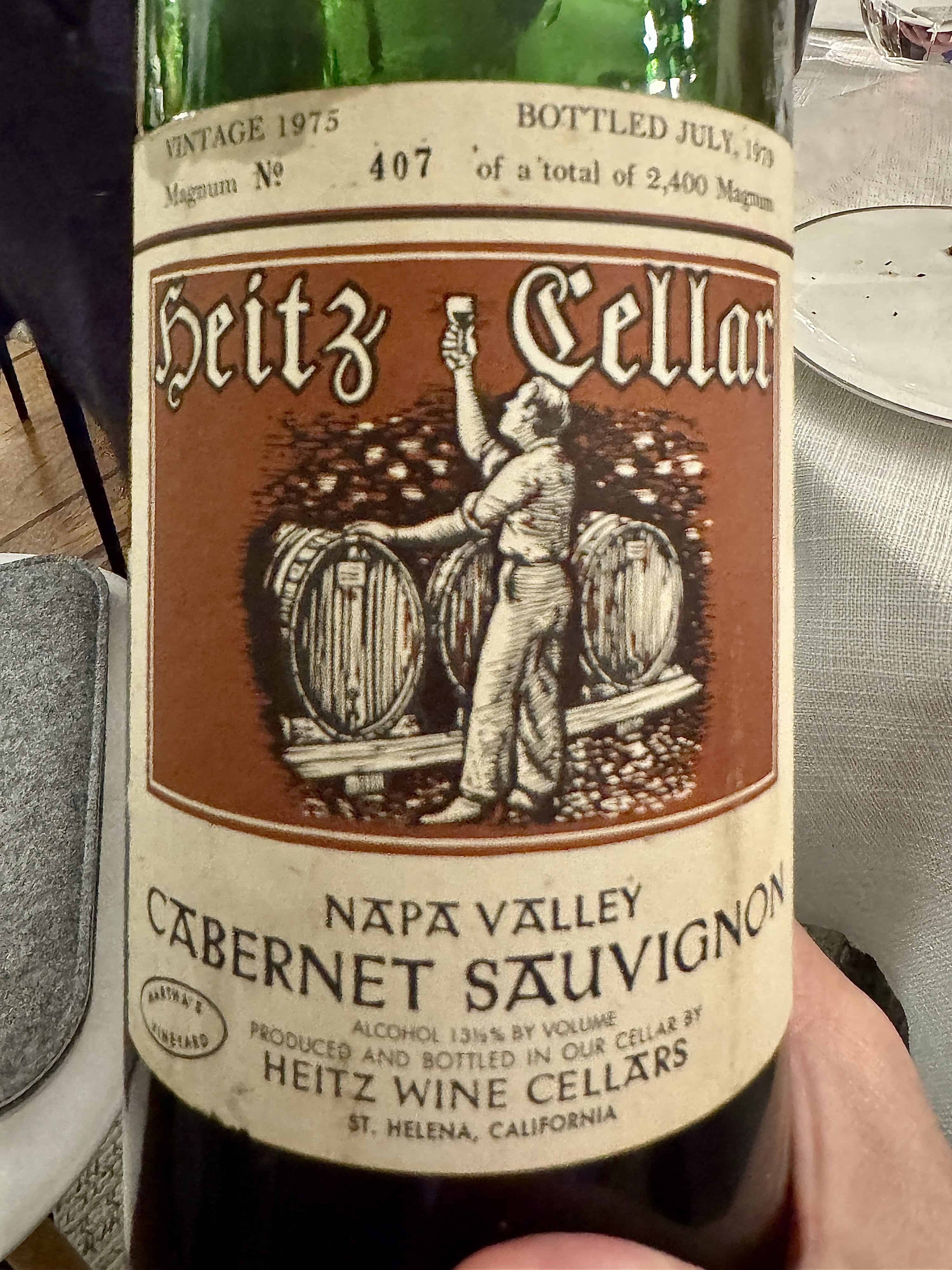
1975 Heitz “Martha’s Vineyard” Cabernet Sauvignon, Napa Valley, Napa, California
Very dark garnet in the glass with ruby highlights, this wine smells of black cherries, chopped green herbs, road dust, and a touch of licorice. In the mouth, black cherry, cola, and hoisin flavors are wrapped in powdery, fluffy tannins. The wine offers a lot of herbal freshness with great acidity, and an excellent length on the palate with a positively lovely supple texture. Tasted from magnum, which probably made a good bit of difference. Score: between 9 and 9.5. Cost: $1299. click to buy.
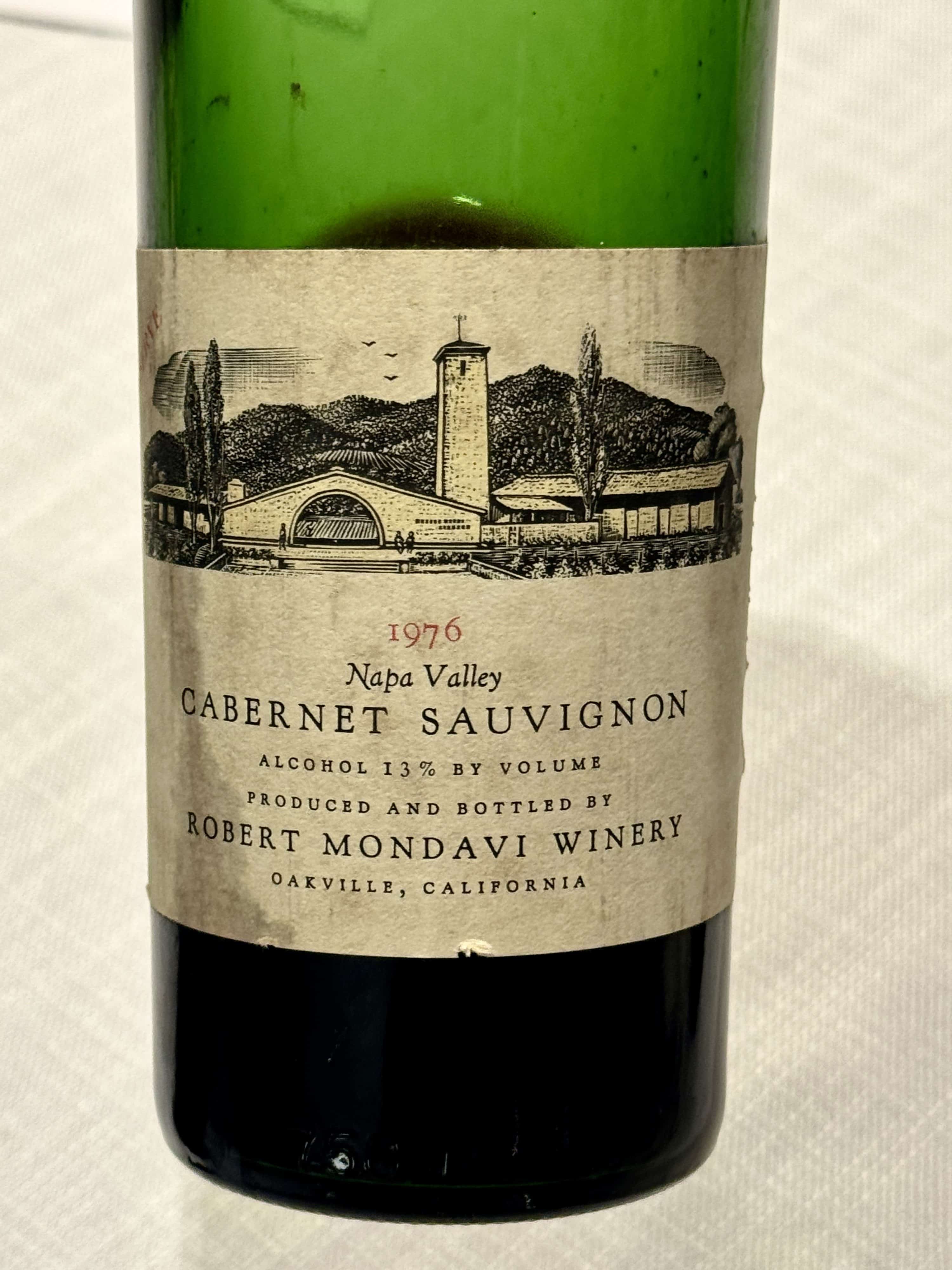
1976 Robert Mondavi Cabernet Sauvignon, Napa Valley, Napa, California
Hazy dark blood red in the glass, this wine smells of red miso, black cherry, and smoked meats. In the mouth, black cherry, chopped herbs, and slightly saline flavors of plum and licorice are surrounded by faint powdery tannins. Excellent acidity and that herbal quality give this wine a positively beautiful freshness. I think this was my favorite bottle of the evening. 13% alcohol. Score: between 9 and 9.5.
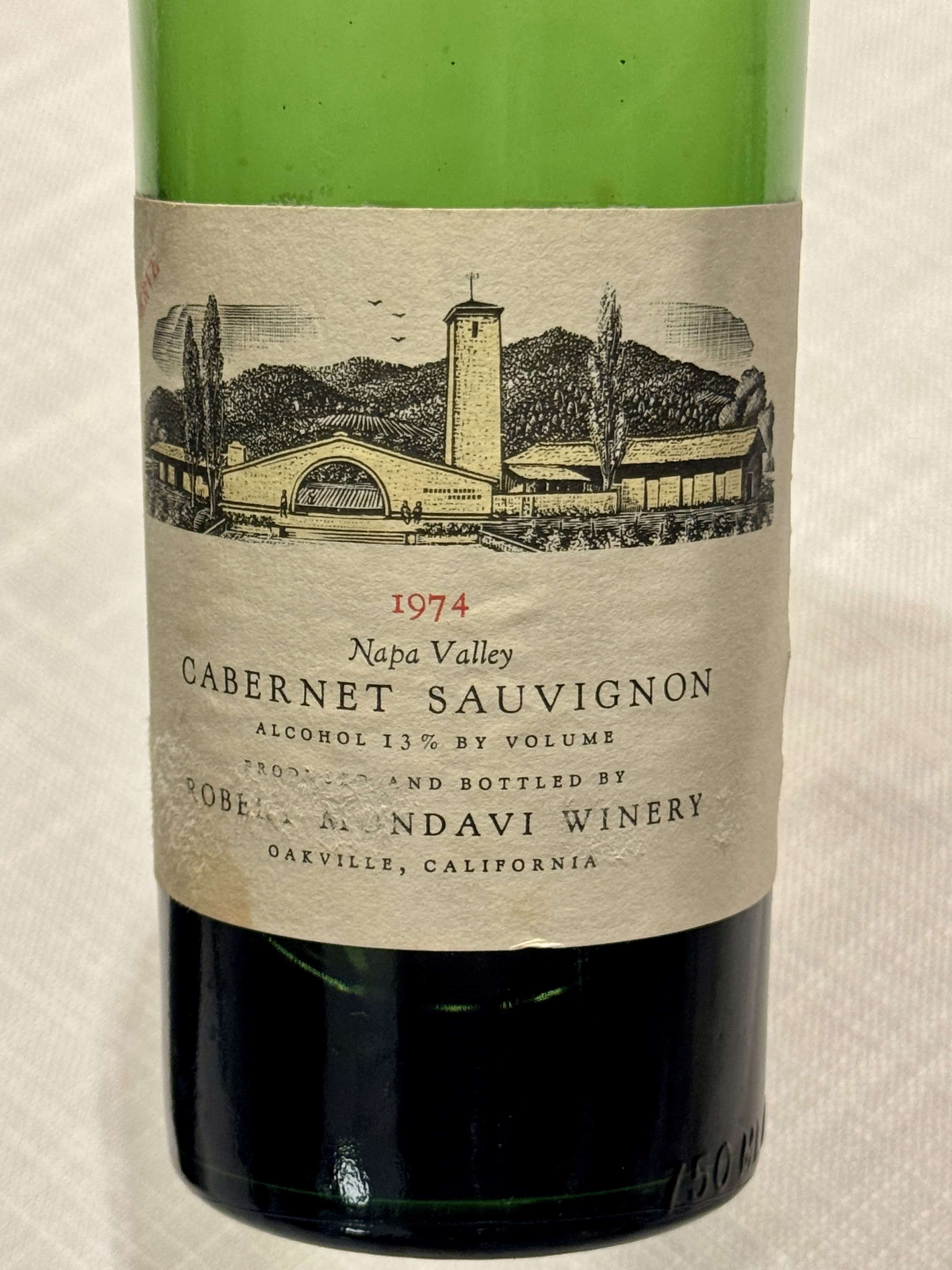
1974 Robert Mondavi Cabernet Sauvignon, Napa Valley, Napa, California
Very dark ruby in the glass with a fine haze of sediment, this wine smells of earth and black cherry. In the mouth, thick, fleecy tannins wrap around a core of black cherry, licorice, faintly salty roasted fig, and dried herbs. There’s a darker earthiness here and a density that I don’t remember from previous tastes of this wine, but at this age there’s no such thing as a “representative” bottle. They’re all unique. This one was pretty good, but not as good as I know it can be, thanks to this being my birth-year wine. 13% alcohol. Score: around 9. Cost: $500. click to buy.
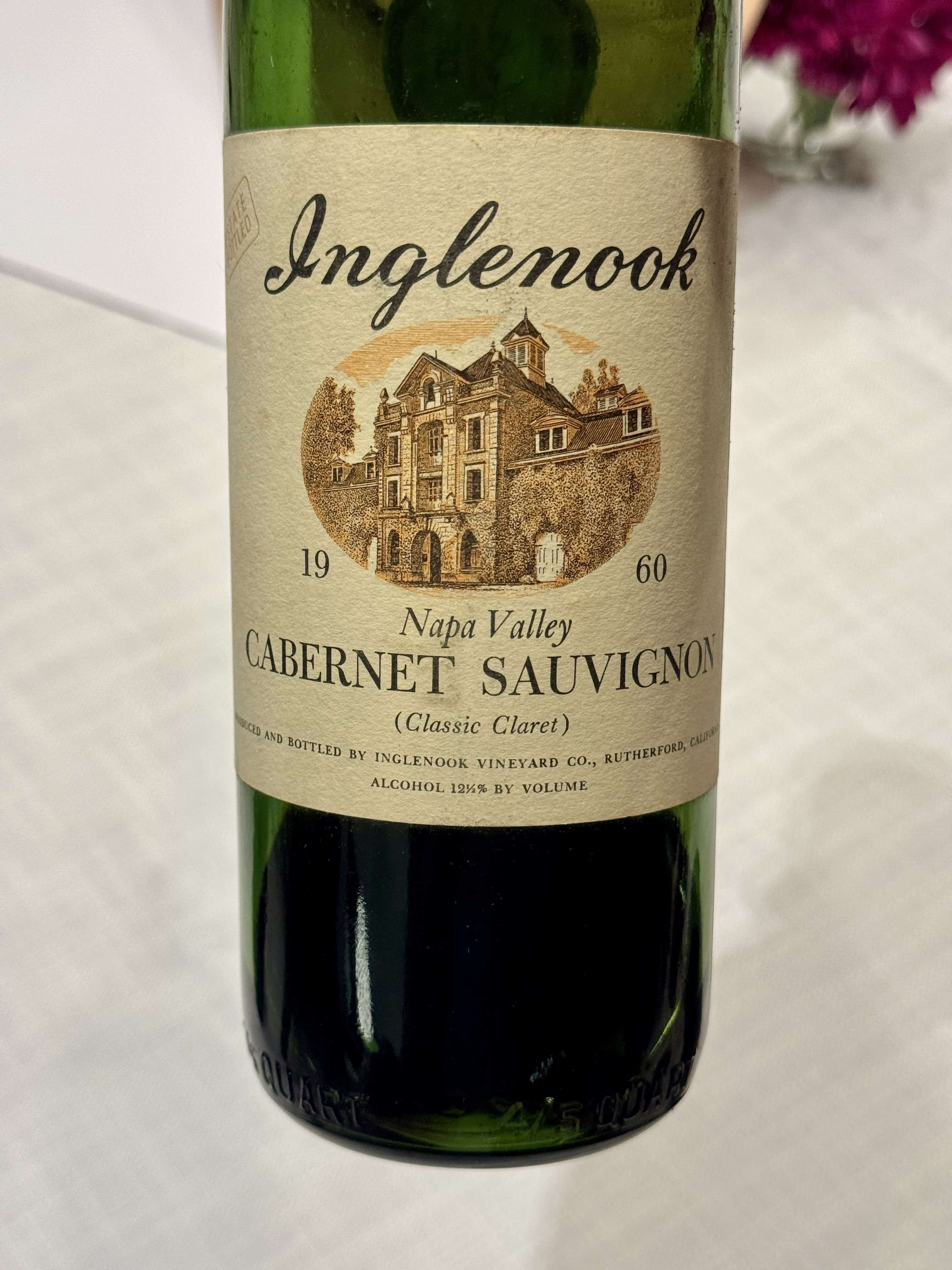
1960 Inglenook Cabernet Sauvignon, Napa Valley, Napa, California
Dark ruby in the glass with blood red at the rim, this wine smells of Worcestershire sauce, black plums, and black cherries. In the mouth, despite a somewhat tired aroma, the wine is quite fresh and minty, with flavors of black cherry, roasted fig, licorice, and brown sugar wrapped in fine gauzy tannins that add a nice texture but don’t stick to the edges of the mouth. Very good acidity still after 66 years seems something of a marvel. This is the oldest California wine I have had the pleasure of trying, and it was a delight for its age. 12% alcohol. Score: around 9. Cost: $639. click to buy.
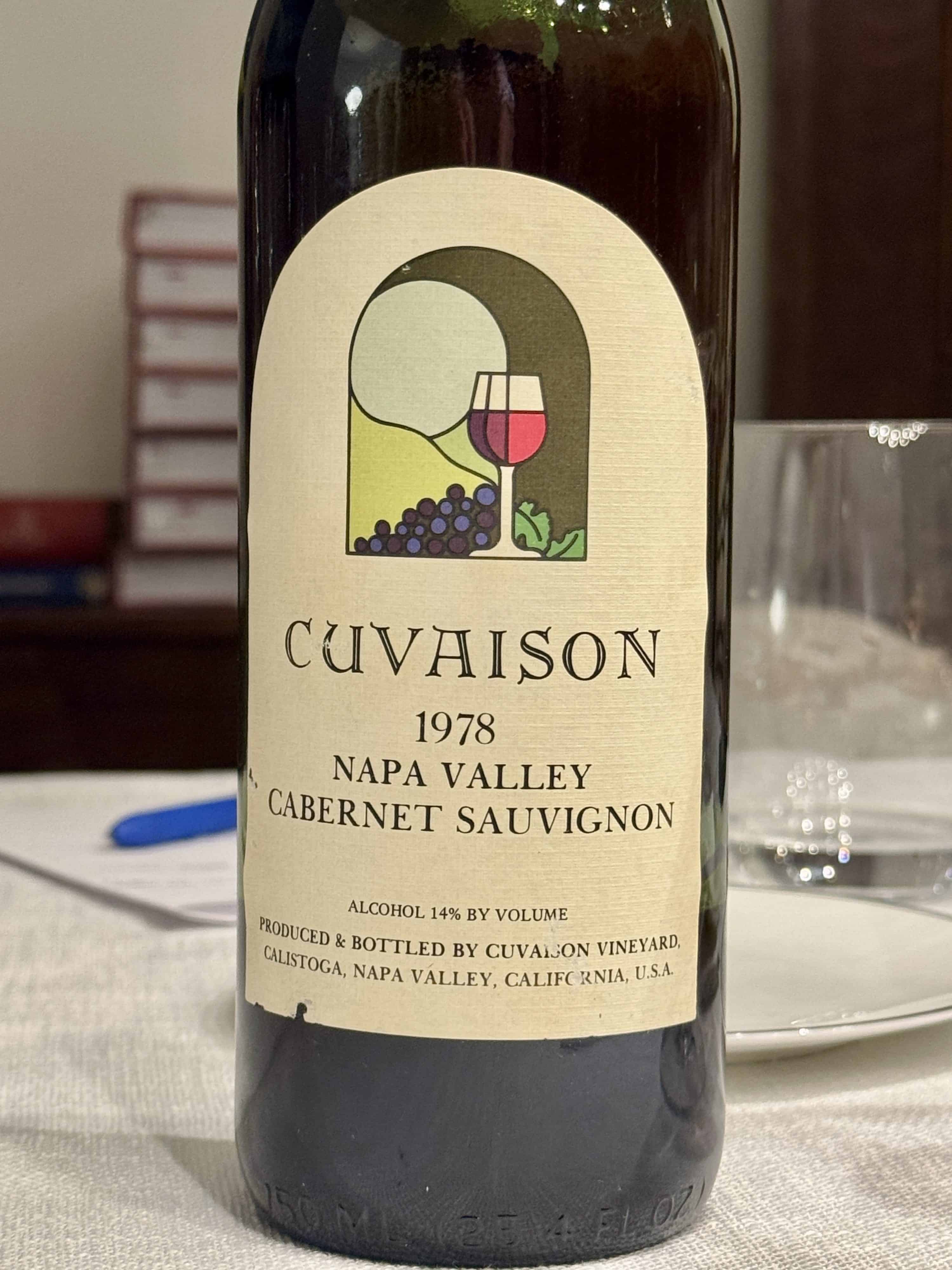
1978 Cuvaison Cabernet Sauvignon, Napa Valley, Napa, California
Dark ruby in the glass, with blood red highlights, this wine smells of cocoa powder, black cherry, mint, and licorice root. In the mouth, powdery, fleecy tannins surround a juicy core of black cherry, stewed plums, and earth. The tannins here are still thick and muscular, but the acidity is quite fresh and herbal. This one seems to have some staying power, and isn’t coasting into its golden years quite yet. Pretty impressive, and a label that suggests nearly perfect storage. 14% alcohol. Score: between 9 and 9.5. Cost: $425. click to buy.
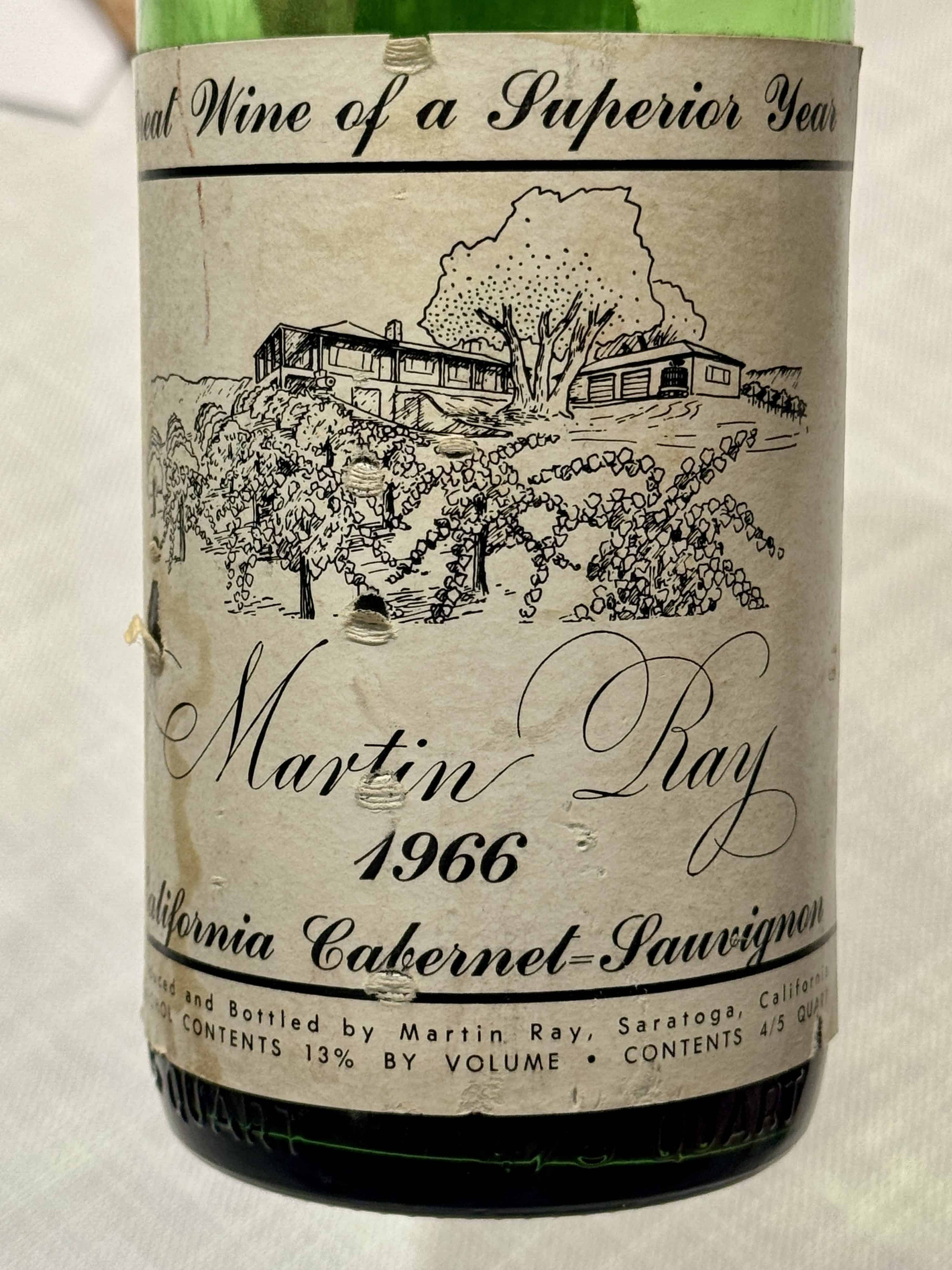
1966 Martin Ray Cabernet Sauvignon, California
Who doesn’t like a little self-aggrandizement from a wine bottle? “A great wine of a superior year” reads the label. A light, hazy blood red in the glass, this wine smells of volatile acidity, redcurrant, and dried herbs. In the mouth, the wine was very sharp, volatile, angular, and shrill, with vinegar and red fruits competing for attention. Sadly not one for the ages, as they say. 13% alcohol. Score: around 7.
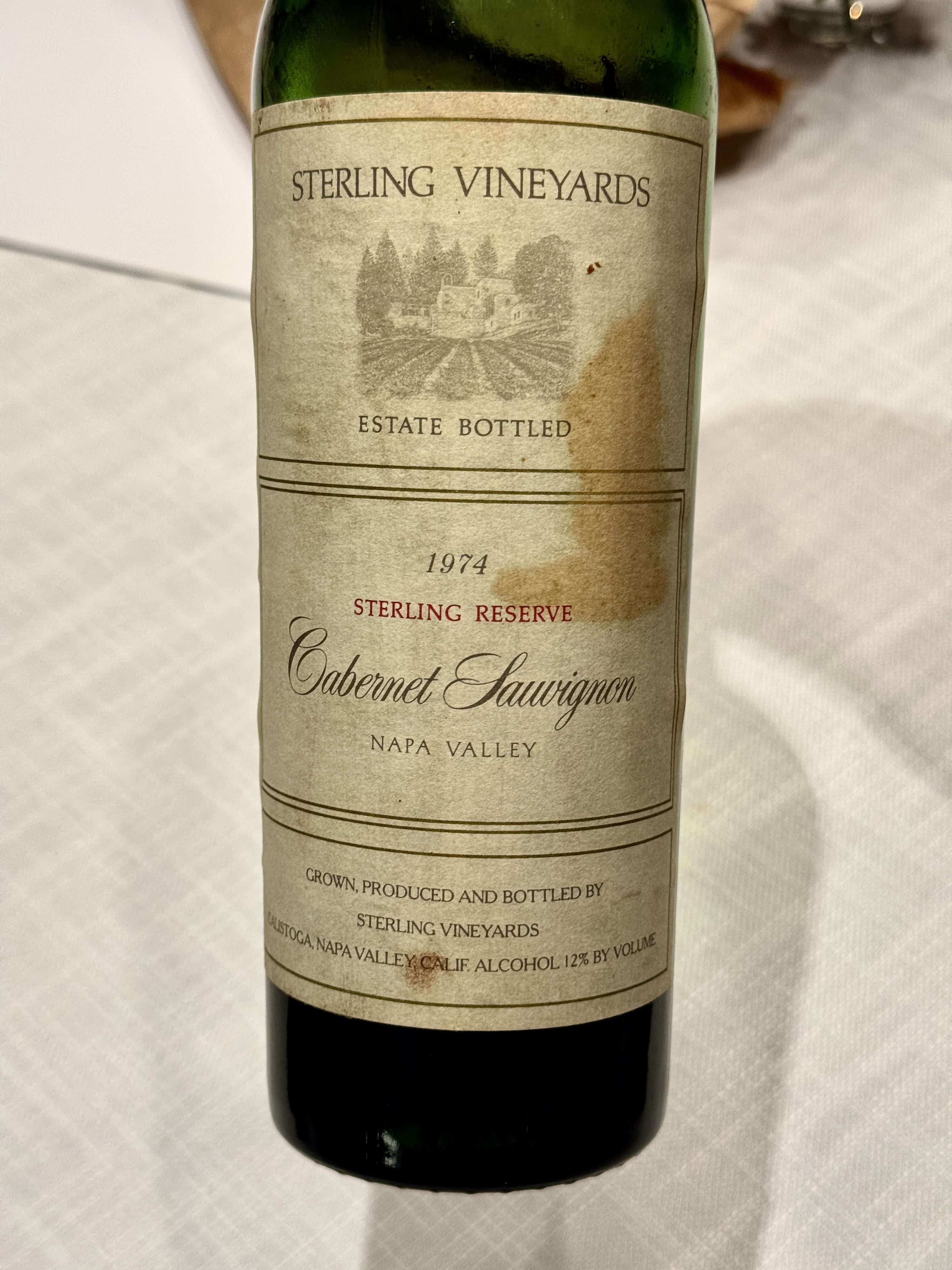
1974 Sterling Vineyards “Reserve” Cabernet Sauvignon, California
Very dark ruby in the glass with a faint haze and a hint of blood red at the edge, this wine smells of Worcestershire sauce, black cherries, and roasted figs. In the mouth, bright acidity has a faint angular volatility with flavors of black cherries, sour cherries, herbs, and a touch of licorice. Faint powdery tannins coat the mouth. Still quite fresh, but a little volatile and sweaty. 12% alcohol. Score: between 8.5 and 9. Cost: $495. click to buy.
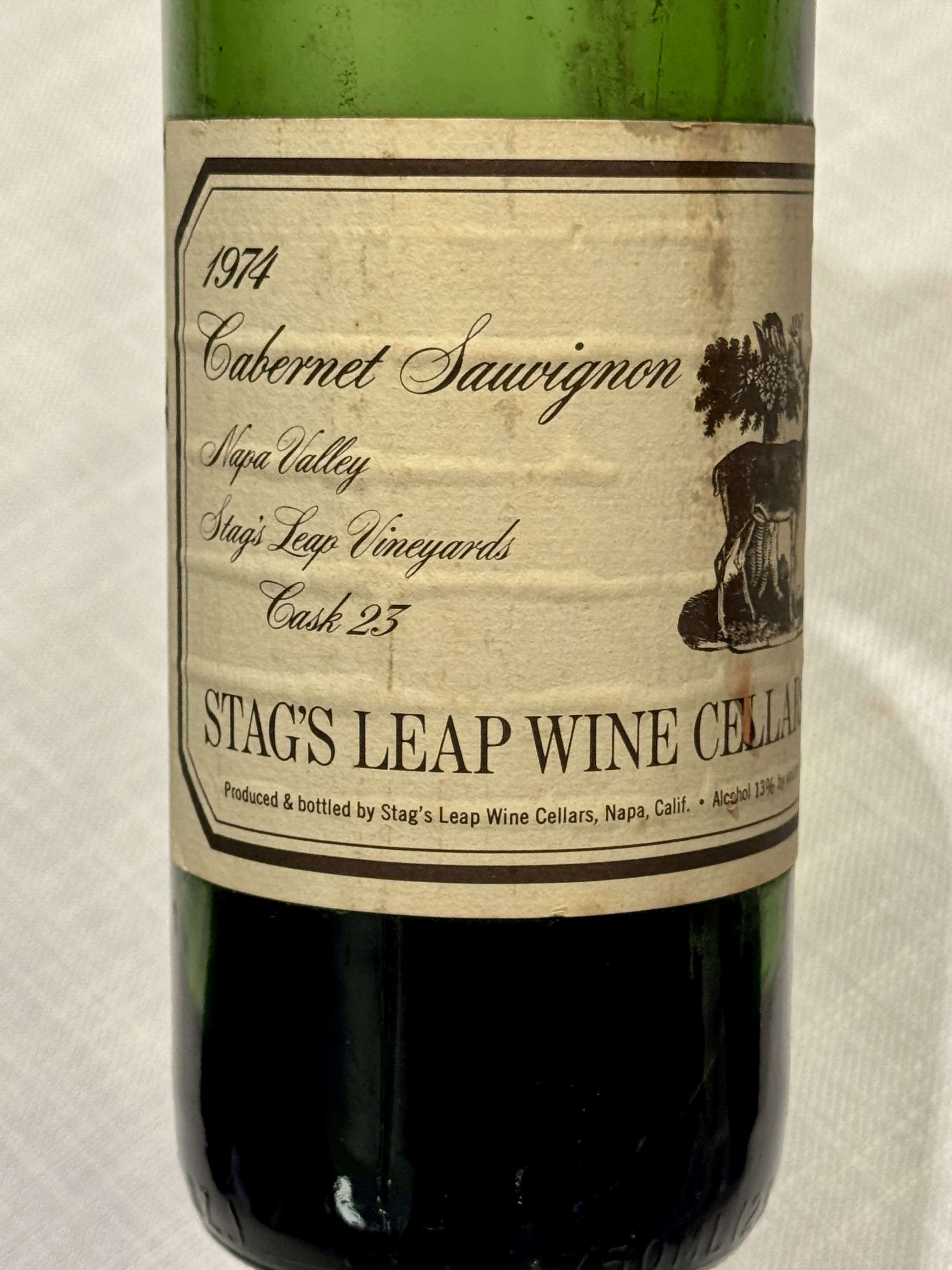
1974 Stag’s Leap Winery “Cask 23” Cabernet Sauvignon, California
Very dark blood red in the glass, this wine smells of cedar and dried cherries, freshly chopped herbs, and a touch of licorice root. In the mouth, fresh, juicy flavors of dried cherries, chopped green herbs, cola, and a hint of cocoa powder swirl under a throw of powdery tannins. There’s wonderful freshness left in this wine, and quite a bit of pleasure. Perhaps my second favorite wine of the night, and one that made me still feel quite young myself. 13% alcohol. Score: between 9 and 9.5. Cost: $899. click to buy.