Those of us concerned with the preservation and study of old vines know one fundamental truth: that most old vineyards around the world will really only stay in the ground so long as they are financially viable for the grower.
The question of making old vineyards financially viable on a larger scale comes down to two plausible options: government (or third-party) financial incentives to keep old vines alive, or increased demand and interest in old vine wines, resulting in the sale of more bottles at better prices.
The first is something of a long shot. These days, governments around the world are far more likely to pay you to rip out vines than they are to pay you to keep them in the ground.
So if we wanted to drive more commercial interest and value in old-vine wines as a category, how might we do that more comprehensively?
That question was the genesis of a recent panel that I led at the Old Vine Conference Meeting of the Minds 2025 in Santa Rosa, California. I wanted to explore the challenges and opportunities of bringing more awareness to old vine wines, which is one of the principles guiding my volunteer work as the manager of the Old Vine Registry.

But the Old Vine Registry is a somewhat obscure, even academic, tool, and will likely be so for some time. If consumers are going to start paying more attention to wines made from old vines, it’s going to be because of the work of sommeliers, retailers, distributors, and importers.
Which is exactly who I tapped to populate my panel on this topic. You can watch the video of our session here or by clicking the title card above.
It was a short session, where we just began to scratch the surface of how it might work to position old vine wines as a category, but it was a good start, and my three panelists were honest and thoughtful about the realities of their respective businesses.
This was one of many great sessions at the Old Vine Conference. If you’re interested in more about old vines, you can find the full set of sessions from the 2025 conference here.
I hope you enjoy, and if you watch the session, let me know your thoughts on the topic.
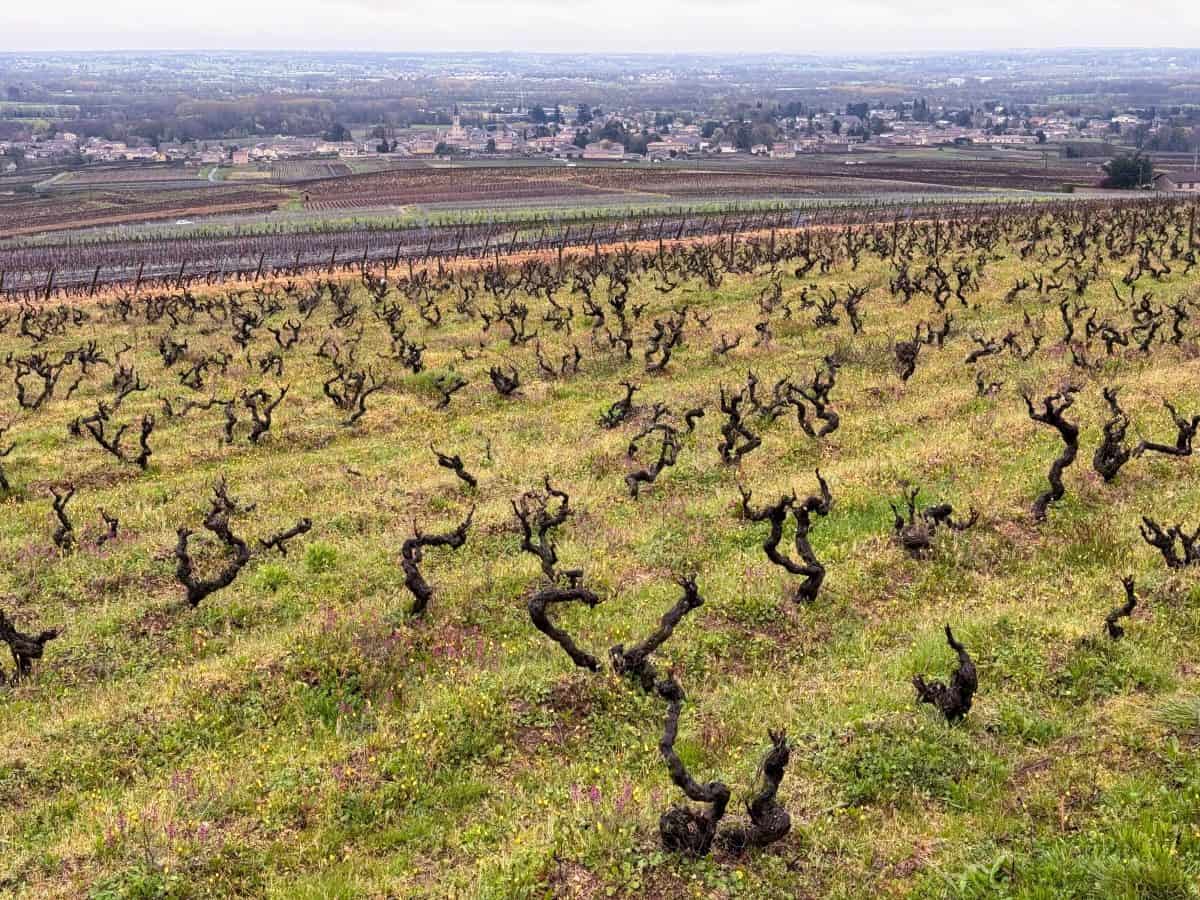
Photo at top is a shot of old vines in the Beaujolais region of Moulin-à-Vent in France.